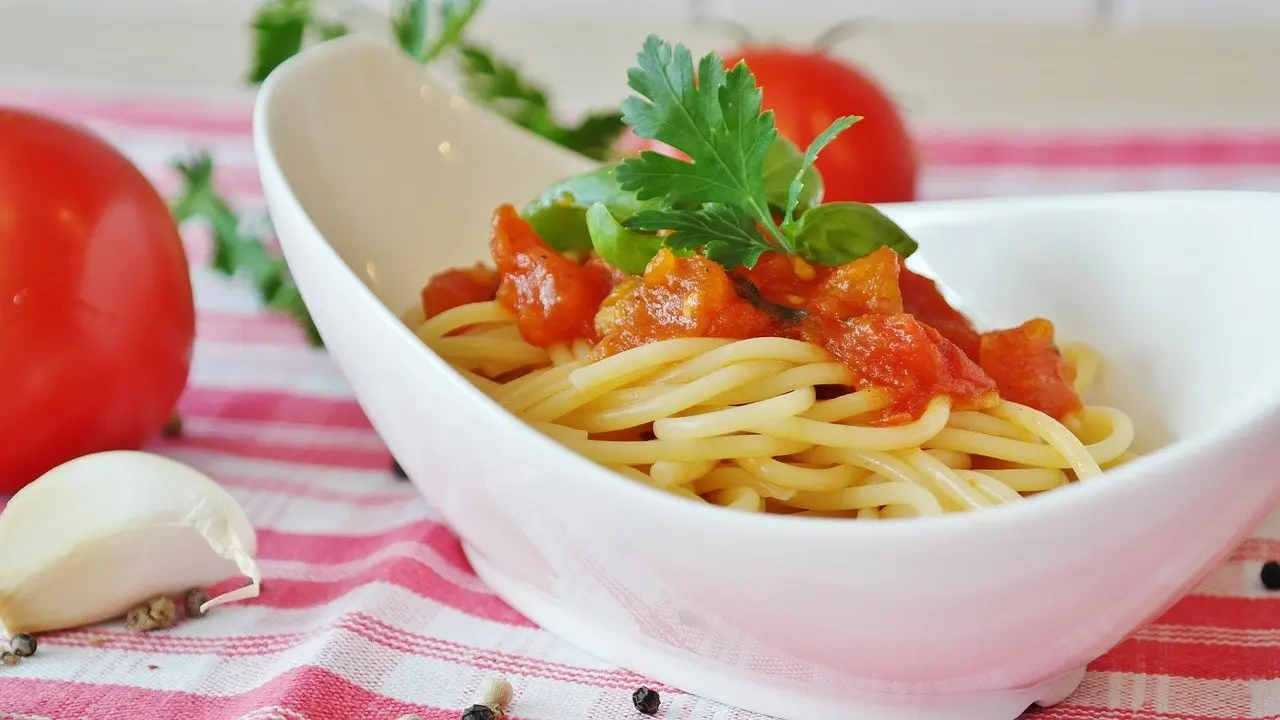
What is vodka sauce made of? Tomatoes, cream and vodka, built on onion or garlic sautéed in olive oil and finished with parmesan and basil. The vodka is cooked into the sauce, so it adds flavor rather than a harsh alcohol bite.
Each ingredient has a job, and the order you cook them in matters as much as the list. For wider menu ideas around the bottle, see what to eat with vodka.
Ingredients at a glance
Three ingredients define the sauce. Rabbit Hole Distillery names tomatoes, cream and vodka as the essentials, and describes a basic version as onions or garlic, extra-virgin olive oil, crushed tomatoes, herbs and vodka. Everything else is support. The table shows what each part does and how much a typical home recipe uses.
| Ingredient | Role in the sauce | Amount in a recipe for six servings | Planning use |
|---|---|---|---|
| Tomatoes (crushed, with tomato paste) | Bold, concentrated tomato base | Varies by recipe | Crushed tomatoes give the base; paste concentrates the flavor. |
| Heavy cream | Signature creamy, luxurious texture | 1 cup, with 12 oz pasta | Scale the cream to the pasta you are saucing. |
| Vodka | Brings out tomato flavor and adds silkiness | 1/4 cup | A smaller amount than the cream, cooked until the alcohol is gone. |
| Onion, shallot or garlic in extra-virgin olive oil | Depth and natural sweetness | Varies by recipe | Shallot and garlic are subtler than onions. |
| Parmesan | Salty, umami richness | 1 oz | It adds salt, so taste before seasoning further. |
| Herbs such as basil | Seasoning and aroma | Varies by recipe | Basil goes in near the end. |
Roles and amounts come from Salt & Wind’s spicy vodka sauce recipe and the ingredient overview from Rabbit Hole Distillery.
What tomatoes, cream and vodka each do
Tomatoes set the flavor
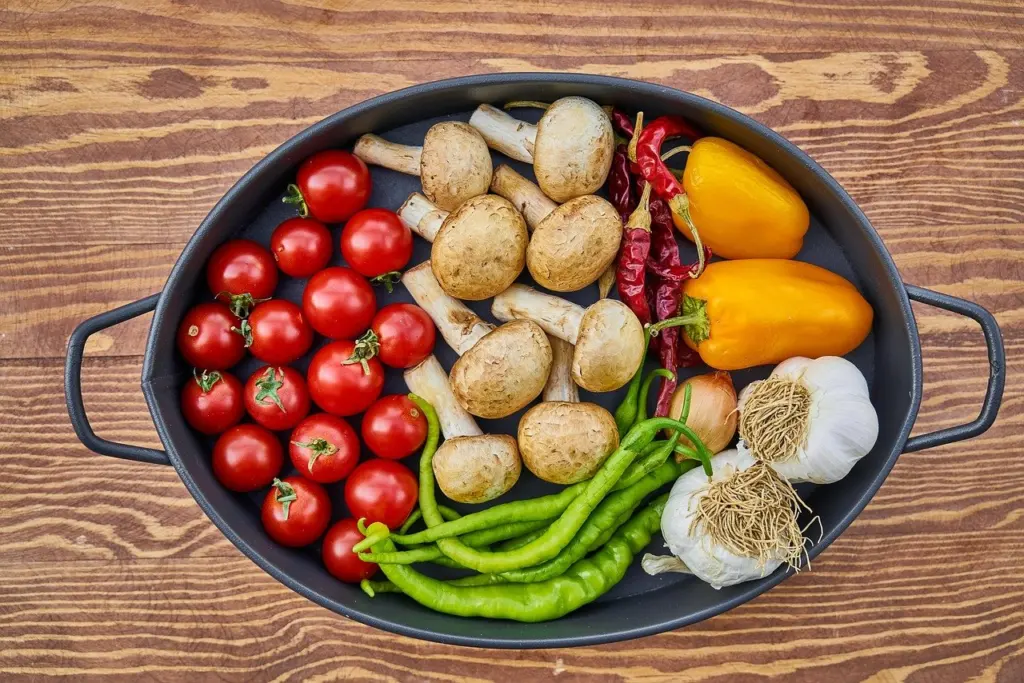
Crushed tomatoes supply the body of the sauce, and tomato paste is the concentrated tomato base that gives it a bold flavor, according to Salt & Wind. Bertolli’s jarred vodka sauce describes the same idea from the manufacturer’s side: juicy tomatoes accented with garlic, onion and basil. If your sauce tastes flat, the fix is usually more concentrated tomato rather than more cream.
Cream makes it a vodka sauce
Heavy whipping cream creates the signature creamy, luxurious texture. The same recipe calls it “just a touch”, yet it measures 1 cup against 12 oz pasta. That is enough to turn red sauce pale orange and silky without hiding the tomatoes. Cream is the main source of richness, so it is the ingredient to adjust if you want a heavier or lighter result.
Vodka sharpens and smooths
Vodka helps bring out the flavors of the tomato and adds silkiness to the sauce, per Salt & Wind. Bertolli’s jar describes “a subtle touch of vodka flavor, tempered with notes of fresh cream and tomatoes”. That wording is a fair guide to the goal: vodka should lift the sauce quietly and never taste like a drink poured over pasta. Expect a supporting role, not a headline flavor. No source here gives a chemical explanation of how vodka affects the cream and tomato together, so treat the silkiness and tomato lift as the established benefits.
Aromatics and olive oil
Onion or garlic cooked in extra-virgin olive oil starts the sauce and sets its savory foundation. Shallots and garlic add depth and natural sweetness, more subtly than green or yellow onions, which makes them the better choice when you want the tomato to stay in front. Choose onion when you want a sweeter, more noticeable base.
Garlic is the one aromatic that can ruin the pan. The Bewitchin’ Kitchen warns against scorching it, and scorched garlic turns bitter. Add it to the softened onion or shallot, keep the heat moderate, and add the tomatoes as soon as it smells fragrant.
Cooking order and what happens to the alcohol
The sequence is simple, and the vodka step is where most cooks hesitate.
- Soften the aromatics. Cook onion or shallot, then garlic, in olive oil without browning the garlic.
- Add the tomatoes. Stir in crushed tomatoes, and tomato paste if you want a more concentrated base.
- Add the vodka. Cook until the alcohol evaporates and the sauce has thickened, as Rabbit Hole Distillery describes.
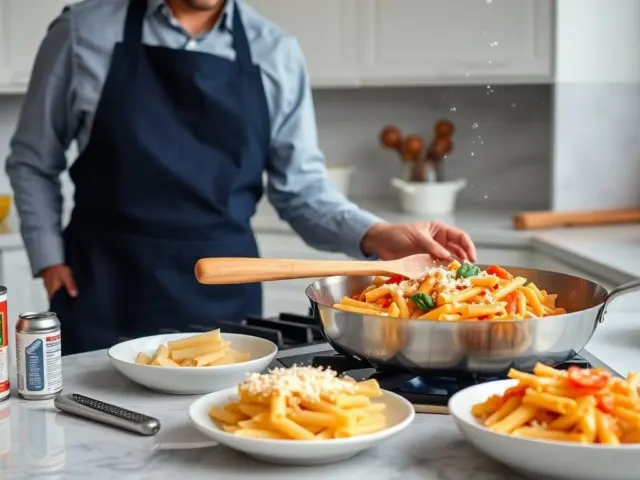
- Finish. Stir in the cream, then the parmesan and herbs.
Does the alcohol cook out of vodka sauce? In cooking terms, yes. Rabbit Hole Distillery says the alcohol evaporates as the vodka cooks into the sauce, leaving a rich, nuanced flavor. It suggests simmering at medium-low heat until the strong alcohol scent has cooked off. Salt & Wind’s recipe cooks it for just a few minutes so the harsh alcohol flavor is gone. Pesto & Pennies likewise says the alcohol and its harsh taste cook away.
Use scent and thickness as your test rather than the clock, and stay toward the longer end if the pan still smells sharply of alcohol. These are cooking cues judged by smell and taste, not measurements of leftover alcohol. Anyone who must avoid alcohol entirely should use one of the alcohol-free options below.
Parmesan, basil and other finishing touches
Parmesan provides salty, umami richness without overpowering the sauce. Because the cheese is salty, taste the sauce after adding it before reaching for the salt.
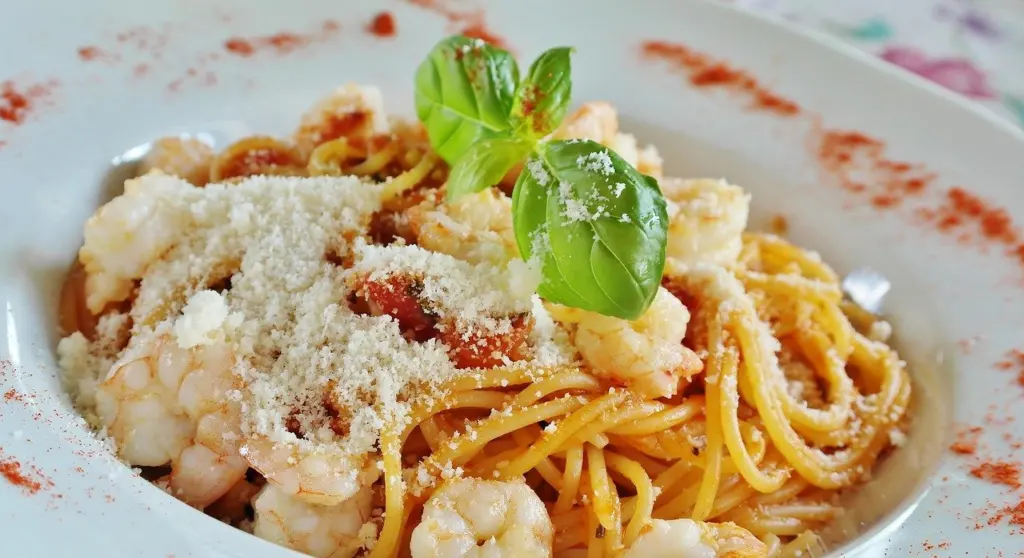
Fresh basil and oregano complete the sauce and give it a fragrant finish, according to The Bewitchin’ Kitchen, whose recipe uses 2 tbsp of basil. Stir fresh herbs in at the end so their aroma stays bright instead of cooking away. Bertolli’s jar also lists basil among its flavor accents, alongside garlic and onion.
Making vodka sauce without vodka
Yes, you can make vodka sauce without vodka, and the result is still a good tomato-cream sauce. The Bewitchin’ Kitchen sometimes uses white wine for its depth, and says that if alcohol is not desired, vegetable broth or water are the alternatives.
- White wine. Choose it when you want added depth and are fine with cooking with alcohol.
- Vegetable broth. Choose it for a fully alcohol-free pot; it brings savory flavor along with the liquid.
- Water. Choose it when you only need the liquid to loosen the sauce and want the tomato and cream to speak for themselves.
Expect a sauce that is slightly less like the classic, since the tomato-brightening and silky effect described for vodka comes from the vodka itself.
Serving and pairing
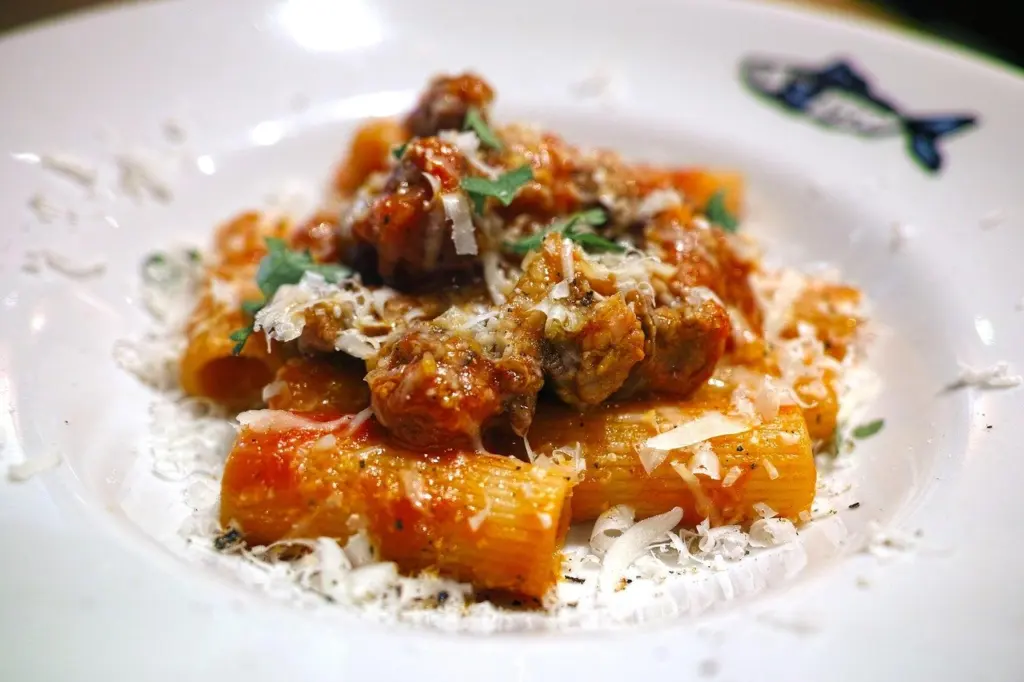
A thick sauce like this clings best to pasta with some texture, and grated cheese and herbs on top finish the plate. A tomato-cream pasta is also a natural main for a vodka-themed dinner. For small bites to serve first, see Cocktail Party Appetizers: 25 Crowd‑Pleasing Small Bites to Impress Guests in 2026 – Welovewodka. If you want a lighter, more luxurious counterpoint at the same table, the vodka and caviar pairing sits at the opposite end of the menu from a creamy pasta.
Frequently asked questions
Does a jarred vodka sauce use the same ingredients?
Largely, yes. Bertolli’s jarred sauce lists light cream, onions, vodka, parmesan, olive oil, garlic and tomatoes, so the structure matches a homemade sauce. The main difference is light cream where a home recipe often uses heavy cream.
Does vodka sauce taste strongly of vodka?
It should not. Bertolli describes a subtle touch of vodka flavor tempered with fresh cream and tomatoes. Home recipes cook the vodka until the harsh alcohol flavor is gone, so what remains is a rounder tomato taste.
How do you finish a large batch?
Pesto & Pennies makes a large batch from 6 lb of tomatoes, about 2 quarts, with 1 cup vodka. It adds 2 tablespoons of cream per quart just before serving, rather than cooking all the cream in the pot.
Can you make a lighter vodka sauce?
Yes. The Bewitchin’ Kitchen uses low-fat cream for a lighter version, and the sauce keeps its tomato, vodka, aromatics and cheese structure. Expect a less rich texture than heavy cream gives.