Cocktail garnish ideas help a drink look and taste better. They add aroma, texture, and color. The writer will show 25 simple garnish options. The list suits home bars and pro settings. Readers will learn quick methods, classic matches, seasonal picks, and storage tips. Below you’ll find practical how-tos, pairing logic, and presentation tips so your garnishes consistently enhance both flavor and visual impact.
Key Takeaways
- Cocktail garnish ideas elevate drinks by adding aroma, texture, and visual appeal that enhance flavor perception.
- Quick and simple garnishes can be made with common tools to suit both classic and modern cocktails.
- Matching garnishes to popular cocktails, like a lemon twist for a Martini or a mint bouquet for a Mojito, complements the drink’s character.
- Seasonal and themed garnish options, such as edible flowers in spring or cinnamon sticks in fall, create mood and freshness.
- Proper preparation and storage—like washing garnishes, storing herbs in damp paper, and chilling glasses—ensure garnish freshness and attractive presentation.
- Using neat placement tools like tweezers and labeling storage containers helps maintain garnish quality and reduce waste.
Why Garnishes Matter: Flavor, Aroma, And Visual Appeal
Garnishes change perception. They add scent that the nose reads before the mouth tastes. They add texture that the tongue registers. They add color that the eye records. Cocktail garnish ideas lift simple drinks into memorable ones. Bartenders use garnishes to hint at ingredients. Home hosts use garnishes to signal care. A single twist can balance oil and acid. A sprig can refresh an old drink. A skewered fruit can add bite and show intent.
Beyond decoration, garnishes perform three practical roles: aroma (expressed citrus oils, herb bouquet, or smoke), palate contrast (a bitter peel, salty rim, or crunchy element), and usability (a stirrer, edible snack, or indicator of sweetness level). When you choose a garnish, think about which of these roles it should play. For example, adding expressed citrus oil over a spirit-forward cocktail brightens the first impression; a sugar-rimmed glass signals sweetness to the guest before the first sip.
Quick Garnishes You Can Make Right Now
This section lists fast garnish moves. Each move uses common tools and simple steps. They work for classic and modern cocktails.
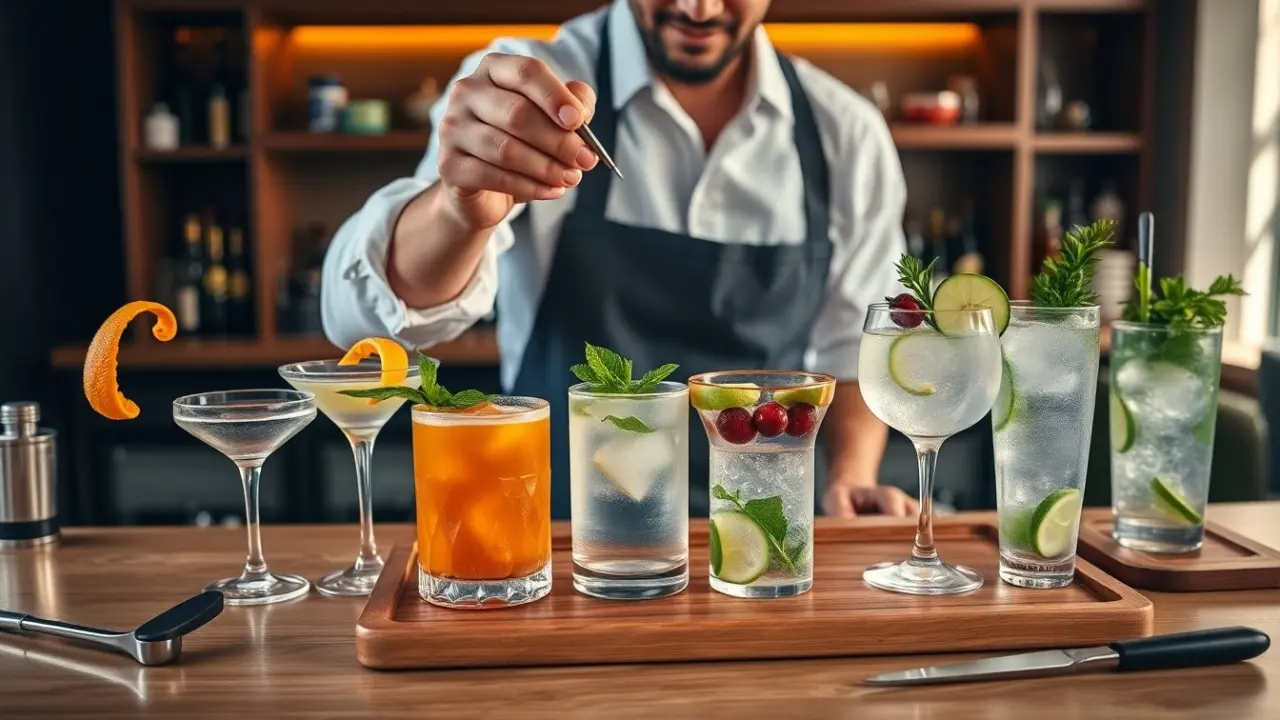
- Expressed citrus peel: Hold a twist over the glass, skin side toward the drink, and firmly squeeze to spray the oils across the surface. Then rub the peel on the rim and drop it in or hang it on the edge.
- Lemon or lime wheel and wedge: Cut 3–5 mm slices and cut a small slit to perch on the rim. Use wheels for visual balance and wedges when you want the guest to add juice.
- Herb bouquet (mint, basil, thyme): Clap lightly between your hands to release aromatics, then tuck the sprig into the drink so the leaves sit above the surface.
- Skewered fruit or olives: Use short picks to skewer cherries, berries, or olives. Alternate colors for contrast and keep skewers tidy by trimming excess length.
- Sugar or salt rims: Moisten the rim with citrus or syrup, then dip into coarse sugar, sanding sugar, or flaky salt. Shake off excess to avoid grainy mouthfeel.
- Citrus oil float: Zest a thin strip and tear it over the cocktail to release oils without dropping the peel in; this works well on stirred cocktails where you want aroma but minimal bitterness.
Tools that make these quick garnishes consistent: a sharp paring knife, channel or swivel peeler, microplane, small offset tweezers, and wooden picks. Keep a small cutting board and a damp towel nearby for clean prep.
Garnishes For Popular Cocktails (Classic Matches)
They match garnish to cocktail style. For a Martini they add a lemon twist or olive. For an Old Fashioned they add an orange twist and a large ice cube. For a Margarita they rim the glass with salt and add a lime wheel. For a Negroni they add an orange wedge or peel to lift bitterness. For a Mojito they add a mint bouquet and a lime wedge. For a Whiskey Sour they add a lemon wedge and a cherry. For a Gin and Tonic they add a cucumber ribbon or a lime wedge. For a Daiquiri they add a lime wheel or floated lime oil.
Expand each match by thinking about texture and aroma: for an Old Fashioned, consider a flamed orange peel—briefly flame the zest over the glass to caramelize oils and add a smoky note. For a Martini, a clean green olive signals brine and salinity while a lemon twist highlights botanicals. For margaritas and daiquiris, a fine-grated citrus zest over the top sharpens the drink without adding extra juice.
Here are a few additional classic pairings and small variations you can try:
- Negroni variation: Dehydrate a thin orange wheel and perch it on the glass for a longer-lasting visual and a slight toasted note.
- Mojito upgrade: Lightly muddle a berry or a slice of cucumber with the sugar and lime before adding mint and soda for a seasonal twist.
- Whiskey cocktails: Try a cherry soaked in the same spirit as the cocktail (if you have time) or a single large burnt sugar cube for a caramel aroma.
- Gin & Tonic alternatives: Swap tonic garnish according to gin botanicals—grapefruit peel for citrus-forward gins, rosemary for piney gins, or a thin apple slice for autumnal blends.
Seasonal And Themed Garnish Ideas
They choose garnishes by season to match produce and mood. In spring they use edible flowers and young herbs. In summer they use berries, citrus rounds, and grilled fruit. In fall they use apple slices, cinnamon sticks, and star anise. In winter they use citrus peels, cranberries, and rosemary sprigs. For holiday themes they skewer sugared cranberries with a rosemary sprig to suggest a wreath. For tropical themes they use pineapple leaves and toasted coconut. For minimal parties they match garnish color to napkins or glassware.
Seasonal thinking helps you use fresh ingredients at peak flavor. Practical seasonal suggestions:
- Spring: Edible violets, nasturtiums, microherbs, and thin cucumber ribbons for light, floral drinks.
- Summer: Fresh berries on a pick, char-grilled lemon or peach slices, and basil or mint sprigs for vibrant, fragrant cocktails.
- Fall: Warm spices like cinnamon sticks, clove-studded orange slices, apple fan slices, or dehydrated pear for cocktails with brown spirits.
- Winter & Holidays: Rosemary sprigs (as mini trees), sugared cranberries, star anise, and flamed citrus for rich, aromatic presentations.
Themed garnishes can also support low-effort hosting: use skewers in team colors for game nights, edible glitter or colorful sugar for celebrations, or mini flags and paper umbrellas for casual tiki or poolside parties. When planning a menu, think about how garnish color, shape, and scent will reinforce the theme.
Prep, Storage, And Presentation Tips For Perfect Garnishes
They wash all garnishes under cold water. They dry leaves and fruits on a clean towel. They store herbs wrapped in damp paper in the fridge to keep them fresh longer. They keep citrus whole until zesting to preserve oils. They prepare skewers and picks ahead when hosting. They chill glasses before service to protect delicate garnishes. They use small tweezers or tongs for neat placement. They label storage containers with date and contents to avoid waste. They refresh wilting herbs with cold water dips before serving. They avoid pre-cut fruit left at room temperature for hours.
More detailed prep and storage practices that save time and maintain quality:
- Batch prep: Slice citrus and store in airtight containers for up to 48 hours; store single-use peels flat between parchment to avoid curling.
- Herb care: Trim stems and stand herbs upright in a jar with a little water, loosely covered with a plastic bag and placed in the fridge for longer life.
- Dehydration: Dehydrated citrus wheels or apple slices keep for weeks in a sealed container and add consistent color and crunch without extra prep on service day.
- Sugaring and candying: Lightly coat delicate fruits with superfine sugar to add sparkle and a small shelf life extension; refrigerate on a wire rack.
- Hygiene and safety: Always use clean tools and change cutting boards between citrus and other produce when possible. Keep garnishes out of direct light and at appropriate cool temperatures to avoid bacterial growth.
Presentation tips for service: place garnishes at consistent positions (rim, floated, or skewered) to create a repeatable visual style; use matching picks and simple glassware to let the garnish stand out; and train helpers on one or two signature finishes so every cocktail in a batch looks intentional.
With these cocktail garnish ideas and practical tips, you can rapidly expand the visual and aromatic vocabulary of your home bar or professional service—making each drink more expressive, balanced, and memorable.