Homemade vodka sauce stands out for its balance of tomato, cream, and bright flavor. It cooks fast. It lifts simple pasta into a meal. This guide shows clear steps, smart timing, and quick tips. The instructions use common ingredients and simple techniques. They suit cooks who want good results without fuss.
Key Takeaways
- Homemade vodka sauce offers a brighter tomato flavor and silky texture compared to store-bought versions by using simple ingredients and a short cooking time.
- The sauce comes together quickly in about 30 minutes, making it convenient to prepare alongside boiling pasta for fresh and well-coated results.
- Control seasoning and ingredient choices, like quality canned tomatoes and gentle cooking of garlic and onion, to enhance the sauce’s balanced flavor.
- Using vodka in the sauce helps cut acidity and meld the fat and water components, creating a smooth, rounded taste.
- The sauce stores well in the refrigerator for up to four days and freezes cleanly for up to three months, making it easy to enjoy later.
- Pro tips such as saving pasta water to adjust sauce consistency and adding extras like Italian sausage or sautéed vegetables allow versatile, personalized variations.
Why Homemade Vodka Sauce Trumps Store‑Bought — Flavor, Texture, and Time
Homemade vodka sauce delivers brighter tomato flavor than jarred sauce. A short simmer lets the vodka cut acidity and release aromas. The cook adds cream near the end. The cream smooths the sauce and gives a silky texture. Store sauces often hide flavor under sugar or stabilizers. Homemade sauce uses simple ingredients and no fillers.
They control seasoning. They adjust salt, pepper, and red pepper flakes to taste. They choose whole tomatoes or crushed tomatoes for body. They cook garlic and onion gently to keep sweetness. They add vodka to lift tomato notes and to help meld fat and water. The final sauce offers fresh acidity and rounded cream.
Homemade vodka sauce also wins on timing. It comes together in about 30 minutes. The short time yields fresher taste and better texture than long‑simmered jarred blends. The cook can finish sauce while pasta boils. They drain pasta and toss it hot with sauce. The pasta absorbs sauce and keeps a fresh mouthfeel.
Homemade sauce costs less per serving than premium jars. It uses pantry staples and a splash of vodka or cooking vodka. It stores well in the fridge for three to four days. It freezes cleanly in portions. The home cook gets better taste, better texture, and a quick turnaround.
Quick Step‑By‑Step Recipe: Ingredients, Method, and Timing
Ingredients (serves four):
- 2 tablespoons olive oil
- 1 small onion, finely chopped
- 3 cloves garlic, minced
- 1/2 teaspoon red pepper flakes (optional)
- 1 can (28 oz) crushed tomatoes
- 1/2 cup vodka
- 1 cup heavy cream
- 1 teaspoon salt, plus more to taste
- 1/2 teaspoon black pepper
- 4 ounces grated Parmesan
- 12 ounces pasta (penne or rigatoni)
- Fresh basil for garnish
Method and timing:
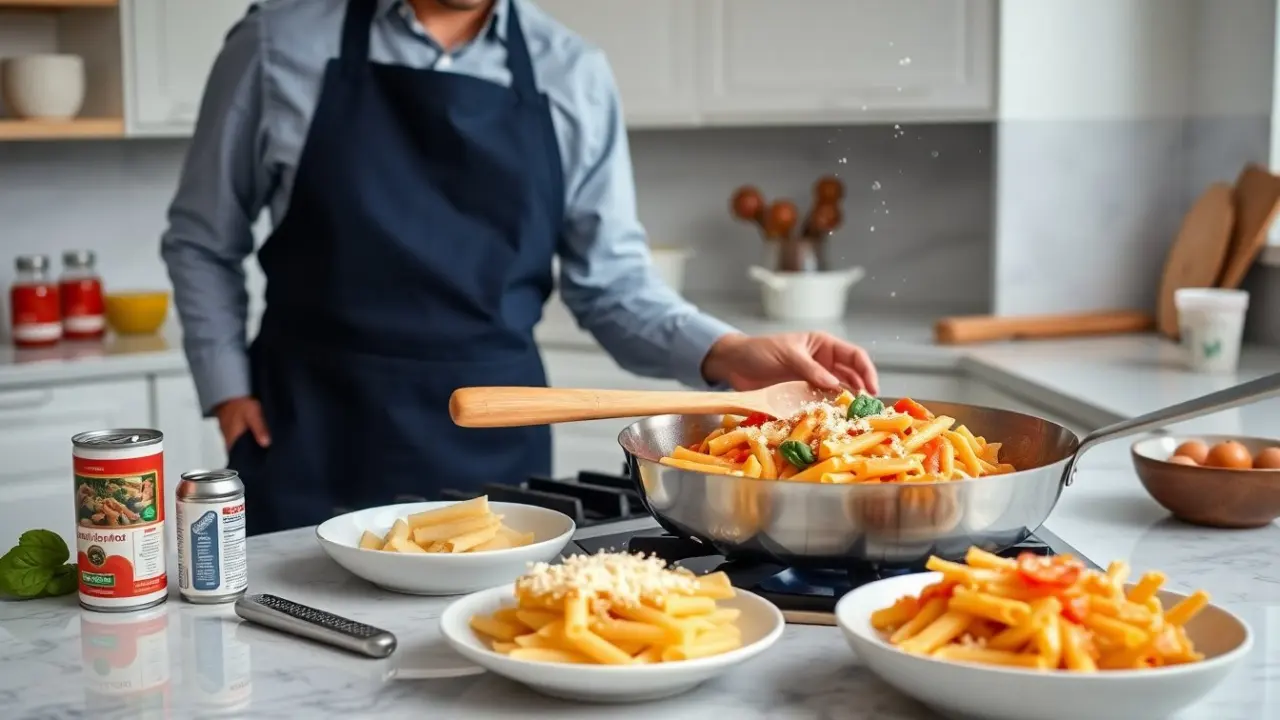
- Heat olive oil in a wide skillet over medium heat. Add onion. The cook sautés the onion until soft, about 5 minutes. 2. Add garlic and red pepper flakes. They cook for 30 seconds until fragrant. 3. Pour in vodka. The cook simmer the vodka two to three minutes to reduce alcohol and concentrate flavor. 4. Add crushed tomatoes. The cook stir and bring the sauce to a gentle simmer for 10 minutes. 5. Reduce heat to low. The cook stir in heavy cream and Parmesan. They simmer one to two minutes until the sauce looks glossy. 6. Taste and adjust salt and pepper.
Pasta timing:
They bring a large pot of salted water to a boil. They cook pasta two minutes less than package directions for al dente. They reserve one cup of pasta water and drain. The cook tosses hot pasta into the sauce. They add reserved pasta water by the tablespoon to reach the desired consistency. They finish with torn basil and extra Parmesan.
Pro Tips, Easy Variations, And Storage Advice
Pro tips:
- Use good canned tomatoes. They give consistent flavor and body. San Marzano style or high‑quality crushed tomatoes work well.
- Keep heat moderate when adding cream. High heat can split the sauce.
- Stir in cheese off the heat for a smoother finish.
- Save pasta water. The starch helps the sauce cling to noodles.
Easy variations:
- Add cooked sausage. The cook browns Italian sausage and stirs it into the sauce for protein.
- Make a veggie version. The cook folds in sautéed mushrooms, bell pepper, or spinach near the end.
- Lighten the sauce. The cook replaces half the cream with whole milk. They add a tablespoon of cornstarch dissolved in cold water to thicken if needed.
- Add herbs. The cook stirs chopped oregano or thyme into the simmering tomatoes for an herbal lift.
Storage advice:
- Refrigerate: The cook cools the sauce to room temperature, places it in an airtight container, and stores it for three to four days.
- Freeze: The cook portions sauce into freezer containers and freezes up to three months. They thaw in the refrigerator overnight and reheat gently on the stove.
- Reheat: The cook warms sauce over low heat and stirs in a splash of water or cream if it looks thick. They avoid high heat to prevent separation.
Serving notes:
They serve homemade vodka sauce with penne or rigatoni to hold the sauce. They also use it as a base for baked pasta or as a topping for grilled chicken. The sauce stays vibrant and creamy when the cook follows these tips and stores it correctly.