| Symptom | First action | Planning use |
|---|---|---|
| Foam is thin or missing | Shake very hard with ice, for at least 20 seconds or until the shaker feels ice cold | Treat the shake as the main foam step and give it real time. |
| Foam collapses within minutes | Chill the glass in the freezer for at least 20 minutes and pour swiftly | Put the glass in the freezer before you start any other prep. |
| Drink tastes watery | Cool the brewed coffee completely before it touches the ice | Brew the coffee first so it has time to cool. |
| Coffee flavour is dull | Replace instant coffee with espresso, strong brewed coffee or cold brew concentrate | Decide on the coffee before buying anything else. |
| Cold brew version looks flat | Expect less foam, or add an egg white to the shaker | Pick cold brew for convenience, not for the biggest head. |
These fixes draw on Preppy Kitchen’s espresso martini guide and the Lyre’s espresso martini cheat sheet.
This espresso martini recipe combines vodka, espresso, coffee liqueur and simple syrup, shaken very hard with ice and poured swiftly into a chilled glass. Foam depends on the shake, the glass temperature and the coffee you choose.
It is one of the most popular drinks in our collection of vodka cocktails. The sections below give the measures, then work through each common fault as a symptom and a fix.
Ingredients and measures
The core ratio from Preppy Kitchen is vodka-led, with coffee and sweetness in smaller amounts. Per drink:
- Vodka: 2 oz.
- Espresso: 1 oz of brewed espresso, cooled, or cold brew concentrate.
- Coffee liqueur: 1/2 oz.
- Simple syrup: 1/2 oz, made by bringing equal amounts of water and sugar to a boil and letting it cool.
You also need a shaker, plenty of ice, and a chilled cocktail glass. A fine mesh strainer in addition to the shaker’s own strainer helps with the finish, as covered below.
How house ratios differ
Bartender and producer recipes scale the same four ingredients differently, so treat the Preppy Kitchen numbers as a starting point rather than a rule.
- Equal parts of vodka, coffee and liqueur: Mr Black uses 1 oz of its coffee liqueur, 1 oz of espresso or cold brew concentrate, 1 oz of premium vodka and 0.5 oz of simple syrup. This suits you if you want the coffee to be as prominent as the spirit.
- A flavoured liqueur twist: 10 Torr uses 1 oz of vodka, 1 oz of coffee liqueur, 1 oz of espresso or cold brew concentrate and 0.5 oz of Licor 43 in place of syrup.
- Metric and sweetener to taste: Employees Only uses 50 mL of freshly brewed espresso, 50 mL of vodka and 30 mL of coffee liqueur, with simple syrup or agave added to taste.
If you are new to the drink, start with the vodka-led ratio and adjust one ingredient at a time. Changing the coffee, liqueur and syrup together makes it impossible to tell which change helped.
Method from chilled glass to pour
The order matters because foam is made from liquids that are shaken and made cold, so every step either keeps things cold or adds air. Follow these steps with the Preppy Kitchen measures above.
- Chill the glass. Put it in the freezer for at least 20 minutes before shaking, as Preppy Kitchen advises.
- Prepare the syrup and coffee. Boil equal amounts of water and sugar, then let the syrup cool. Brew the espresso, or measure cold brew concentrate.
- Load the shaker. Add the vodka, coffee, coffee liqueur and syrup, then fill with ice.
- Shake very hard. The aim is to chill and aerate the ingredients. Mr Black says the drink requires a hard shake to create the best foam.
- Double-strain. Pass the drink through the shaker’s strainer and a fine mesh strainer for a smooth foam texture, as Mr Black recommends.
- Pour swiftly. A quick pour makes sure the foam ends up on top of the drink.
Those six steps produce the drink. The next sections deal with what goes wrong when the foam or flavour does not turn out as expected.
Fixing foam problems
Foam is thin or missing
The usual cause is a shake that is too short or too gentle. Brands disagree on timing: Lyre’s says to shake hard for at least 20 seconds, Employees Only says to shake vigorously until the outside of the shaker feels ice cold, and 10 Torr gives 8-10 seconds, described as the time to mix the cocktail together.
Because Mr Black ties the best foam to a hard shake, treat the shorter figure as a mixing time rather than a foam target. Judge by the shaker instead of a clock: if it is not frosty and cold to hold, keep going.
- Symptom: a few loose bubbles that vanish quickly. Fix: shake longer and harder.
- Symptom: foam looks fine in the shaker but sits under the liquid in the glass. Fix: pour the drink swiftly and straight after shaking.
Foam disappears within minutes
Lyre’s explains that the froth comes from the shaken, chilled liquids, so it fades as the drink warms. That makes a warm glass a hidden cause of collapse. Freeze the glass for at least 20 minutes, as Preppy Kitchen suggests, and serve the drink as soon as it is poured rather than carrying it across a room first.
Foam lacks body
If a hard shake still gives a light head, Preppy Kitchen offers an alternative: add one egg white to the shaker with the other ingredients, shake, then shake again with ice. This suits people who want a thicker foam and are comfortable using raw egg. Skip it for guests who avoid egg, and rely on the shake and double-straining instead.
Choosing the coffee
The coffee does more to decide quality than any other ingredient, and it also affects foam. Espresso, strong brewed coffee and cold brew concentrate all appear in producer recipes, but they behave differently in the shaker.
Can you use instant coffee?
No, instant coffee is the one to avoid. Preppy Kitchen names it as the kind of coffee to avoid in this cocktail, and Lyre’s recommends against it because it often lacks the depth and richness of flavour the drink needs. A dull, flat coffee note is the symptom, and real coffee is the fix.
No espresso machine
Mr Black says very strongly brewed coffee or cold brew concentrate can work in place of machine shots. Lyre’s also calls premium cold drip coffee an excellent substitute. The word to hold onto is strong: weak coffee will taste thin once it is shaken with ice and the other ingredients.
Hot espresso or cooled espresso
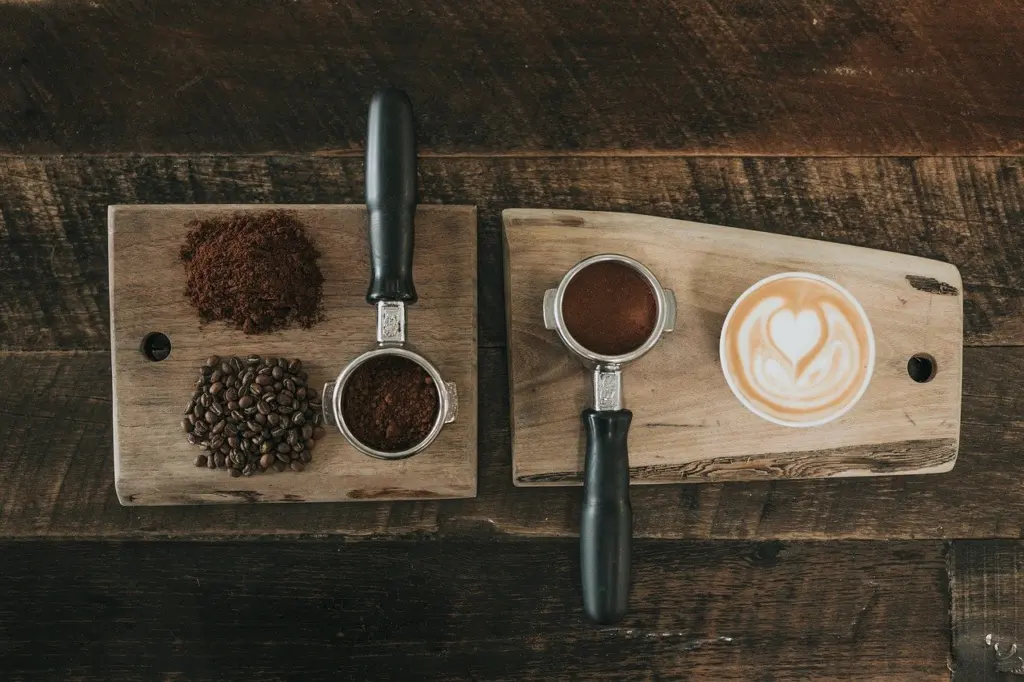
Two sources pull in opposite directions, and the choice depends on which fault bothers you more. Preppy Kitchen says to cool brewed coffee completely, or it will melt the ice and water down the drink. Lyre’s warns that if you let the coffee cool you lose much of the crema, and its recipe calls for hot espresso or premium cold-drip coffee, 45 mL in its non-alcoholic version.
- Choose cooled coffee if your past drinks have tasted watery, and compensate with a very hard shake.
- Choose freshly pulled espresso if foam is your main complaint, and go straight from the machine to the shaker so there is little time for the crema to fade.
Cold brew version
Cold brew concentrate is a straightforward swap for espresso in the Preppy Kitchen recipe, and Mr Black and Employees Only both list it as an option. The trade-off is foam. Preppy Kitchen notes the drink will not be as foamy on top with this swap, because cold brew or drip coffee has more of the oils filtered out than espresso.
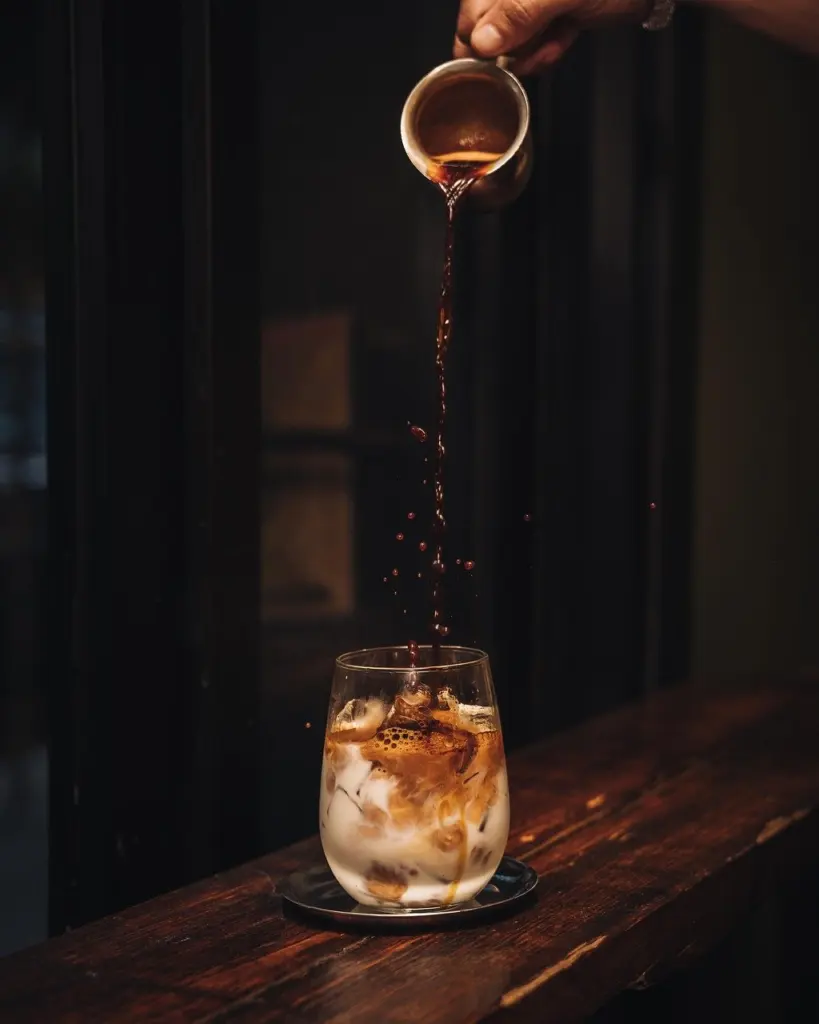
If you choose cold brew, accept a lighter head, or add an egg white as described earlier. Premium cold drip is the better pick over ordinary iced coffee, since Lyre’s singles it out as an excellent substitute. Whichever you use, the shaking and double-straining steps stay the same.
Coffee liqueur and sweetness
Sweetness problems usually come from the liqueur and syrup working together. Preppy Kitchen describes Kahlúa as a rum-based coffee liqueur most commonly used in espresso martinis, while Mr Black says its liqueur is less sweet than other coffee liqueurs.
- Symptom: the drink is cloying. Use less simple syrup or a less sweet liqueur. Employees Only leaves the syrup or agave to taste, which suggests it is the easiest part to adjust.
- Symptom: the drink tastes harsh or thin. Check the coffee before touching the liqueur, since weak or instant coffee is a more likely culprit than the sweetener.
Once your foam is reliable, the same shake-and-strain habits carry over to a lemon drop martini recipe, and anyone who wants a different kind of vodka drink can try a moscow mule recipe.
Frequently asked questions
| Question | Answer |
|---|---|
| Can I make it without coffee liqueur? | Yes. Lyre’s suggests strong espresso combined with 1-2 tablespoons of brown sugar instead. |
| Do I need coffee beans as a garnish? | No. Preppy Kitchen calls them a traditional and fun garnish that is not necessary for taste. |
| How do I make two drinks from one shake? | Fill each glass halfway, then top them off, according to Lyre’s. This shares the foam between both glasses. |
| Is there an alcohol-free version? | Lyre’s gives a non-alcoholic version with 45 mL of hot espresso or premium cold-drip coffee, 45 mL of Coffee Originale, 15 mL of White Cane Spirit and 10 mL of vanilla syrup. |