Planning an evening around a bottle and wondering what to eat with vodka? Choose salty, smoky or pickled bites such as smoked salmon, pickles and rye, and eat them straight after the sip rather than saving them for later.
- Straight vodka: follow the Russian habit of a small salty or pickled bite after each shot.
- Vodka cocktails: match the snack to the drink’s flavour and keep it from overpowering the glass.
- Sweet ending: aged cheese with nuts and honey, or bittersweet chocolate with almonds.
Vodka has little flavour of its own, so the food does most of the work. The sections below follow what you are actually doing: setting a traditional table, hosting a party, building a cocktail menu or ending a meal.
Pick your route through vodka pairings
Start with the situation, not the ingredient list. Each route below leads to a different set of decisions, and the detailed spoke guides go deeper where a topic deserves its own page.
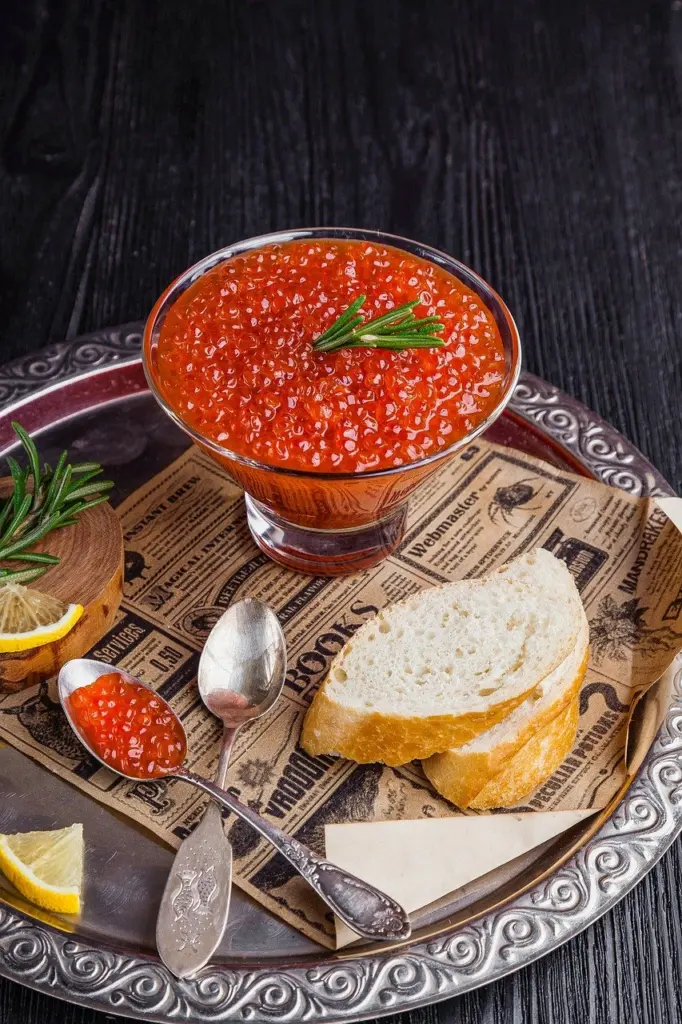
- You want the traditional answer. Begin with the zakuski table, then read about fish, caviar and blini. Readers asking what do russians eat with vodka get the full picture there.
- You are hosting guests. Go to the party section for boards, snack order and serving temperature.
- You are serving cocktails. Use the comparison table to match drink styles to food, then check the notes on martinis and Bloody Marys.
- You want something sweet or cheesy. Skip to the dessert and cheese section.
Whichever route you take, one idea holds throughout: vodka is easier to enjoy with food that is salty, strong or sharp than with food that is delicate and mild. The next section explains where that idea comes from.
The zakuski table: the traditional answer
The most direct answer to what food goes well with vodka comes from Russia, where eating is built into the act of drinking. Vodka is described as the leading spirit there, ahead of beer, wine and other spirits in yearly consumption, so the food customs around it are well established.
What zakuski means
A hospitality training blog explains that zakuski literally means “a bite after”. The name describes the timing as well as the food: each dish is eaten directly after a shot of vodka. That makes zakuski a way of drinking rather than a menu category, and it explains why the dishes are small, strongly flavoured and easy to eat with a fork or fingers.
The classic dishes
The same source lists typical zakuski as caviar, pickled fruit and vegetables, blinis, salted mackerel, herring and piroshki. Read as a group, the list shows a pattern worth copying:
- Salted and cured fish: mackerel and herring bring salt and a firm savoury taste that holds up after strong alcohol.
- Pickled produce: pickled fruit and vegetables add acidity and crunch between sips.
- Bread-based bites: blini and piroshki give a soft, filling base so the spread is more than salt and brine.
- Caviar: a small, rich, salty accent that works best in a modest portion on blini or bread.
If you are building a first zakuski spread at home, pick one item from each group rather than a long list of one type. A varied plate gives guests a different bite after each shot and stops the table feeling repetitive.
Regional variations to explore
Russia is the clearest source of a documented vodka-and-food tradition, but vodka is drunk across a wider region and each place leans on its own cooking. For the Polish side, the guide to polish food that goes with vodka picks up where this overview stops. For cocktails, a spirits brand suggests choosing drinks by world cuisine themes, like French or Mexican food, which is a practical way to extend regional thinking beyond the traditional shot.
Why salty, smoky and pickled foods work
Vodka is harder to pair than wine or beer. The training blog puts it plainly: it is far trickier to pair vodka with food than the usual suspects, because of the spirit’s high alcohol, strong flavour and heat. The same source offers the workable rule, that pairing salty and strong foods with vodka can help balance the drink.
Salt as the anchor
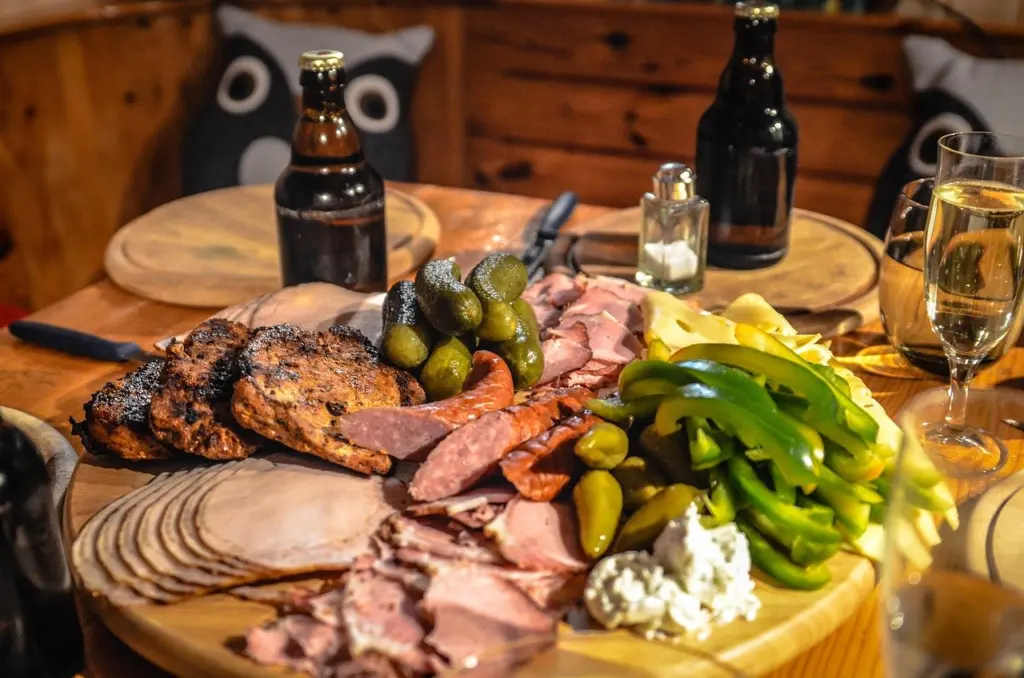
A vodka producer makes the same point from the food side: vodka pairs well with salty foods, and it names sausage, smoked ham and pork tenderloin as examples. If you are unsure what to put out, salt is the safest starting point. A salty bite softens the alcohol’s heat and gives each sip a reason to follow it.
Smoke and gentle sweetness
Smoked fish takes a different route. The same producer says the mild sweetness and smoky flavour of smoked fish complement vodka’s lightness. That is a useful distinction: salt balances vodka’s strength, while smoke and mild sweetness suit its clean, light character. A plate that offers both gives guests two ways to enjoy the same drink.
Acidity and crunch
Pickled foods supply the third lever. A distillery’s pairing guide describes crisp, tangy pickled vegetables such as carrots, cauliflower and cucumbers served with a dill-infused yogurt dip. The tang gives a sharp contrast to a smooth spirit, and the cool dip softens it. For anyone nervous about pairing, pickles are the easiest zero-risk addition to any vodka table.
A simple test before you serve
Ask whether the food is strong enough to stand next to vodka. Delicate, mild dishes tend to disappear beside a high-alcohol spirit, while salty, smoked, pickled or well-seasoned bites keep their shape. Sort your planned menu by that single question and you will catch most weak matches before guests arrive.
Fish, caviar and blini
Fish is the category where traditional and modern vodka pairings meet. Smoked salmon, caviar and blini appear in the classic zakuski lineup and also fit contemporary serving ideas.
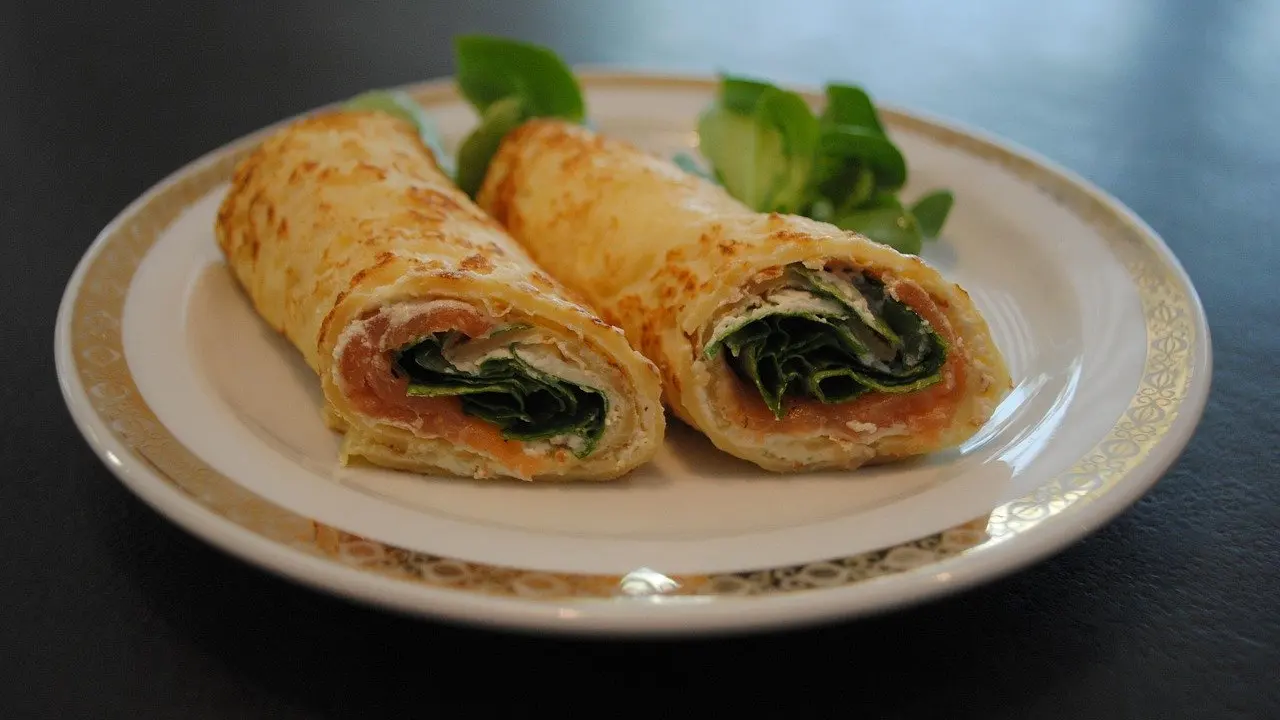
Smoked salmon on rye
The distillery guide suggests cold-smoked salmon on crisp, toasted rye spread with crème fraîche, finished with dill and lemon zest. This is a good model for a first canapé. The rye gives a sturdy base, the crème fraîche softens the smoke and the lemon zest adds a bright finish. It is also the same flavour logic as smoked salmon on blini, so it works as a modern shortcut when making blini is too much effort.
Blini and caviar
Blini are the classic carrier for both salmon and caviar. They are mild enough to let the topping lead, yet substantial enough to turn a sip of vodka into a proper bite. Caviar is the luxury end of the table, and its saltiness is exactly what the balancing rule calls for. Serve it simply, in small amounts, and read the dedicated guide to the vodka and caviar pairing before you buy.
Citrus with raw fish
Lighter fish dishes call for a lighter touch with the vodka itself. The distillery guide pairs ceviche with vodka lightly infused overnight with lemon peel, and it places that citrus pairing last in a tasting order that begins with popcorn and pickles. If your menu leans toward raw fish more broadly, the guide on whether does vodka go with sushi covers what to expect.
Meats, pastry and heartier plates
Not every vodka evening is about cold fish and caviar. Salty meats are the natural next step when guests need something more filling.
- Sausage and smoked ham: both are named by a vodka producer as good partners, and both are salty enough to balance the spirit.
- Pork tenderloin: the same producer includes it, which makes a warm main course possible rather than only cold bites.
- Piroshki: the stuffed pastries on the traditional zakuski list give a warm, soft bite when you want a break from fish and pickles.
- Salted mackerel and herring: these remain the traditional heavy hitters when a table needs more punch.
Choose by how long the evening will run. For a short aperitif, cold and pickled bites are enough. For a longer sit-down evening, add warm pastry or a roasted meat so the vodka is never the only thing doing the work.
Matching food to cocktail styles
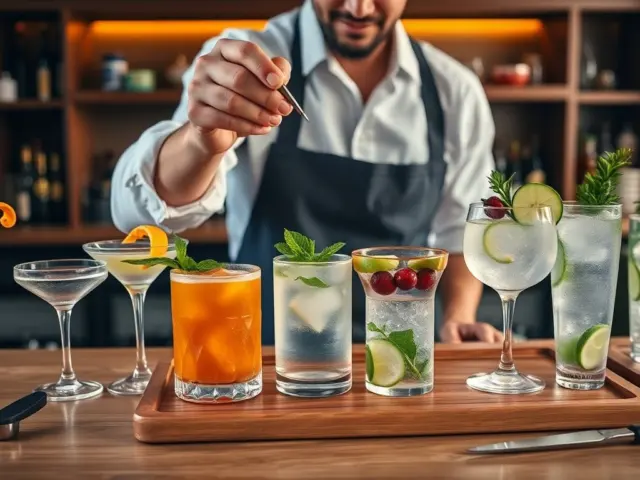
Cocktails change the equation because the drink now has its own flavour. A spirits brand advises choosing cocktails that complement the overall flavour of the food, striking a balance without overpowering or competing with it. That gives a clear test: if you taste the drink and the dish at the same time and one wipes out the other, adjust one of them.
The table compares common vodka drink styles on the criteria that matter at the table.
| Drink style | Food direction | Planning use |
|---|---|---|
| Chilled straight vodka | Salty and strong bites: caviar, pickles, herring, blini | Best for traditional zakuski; serve food immediately after each shot |
| Martini-style drinks | Olives, cornichons, onions and lemon or orange twists are the traditional garnishes | Use the garnish family as your snack cue: olives and pickled onions suit the glass |
| Flavoured vodka | Dessert or a cheese board | Keep for the end of the meal rather than the first course |
| Aperitif-style low ABV drinks (vermouth, sherry, amaro) | Light starters before the meal | Good opening round when guests are arriving and the main drinks come later |
| Traditional flavour pairs in cocktails | Lemon and blueberry, olive and tomato, coffee and cream | Borrow a pair to link a drink to a dish with a shared flavour |
| Rich cocktails | Some are too rich to enjoy alongside food | Serve on their own rather than forcing a pairing |
Figures and pairings in the table come from a spirits brand’s entertaining guide and a hospitality training blog.
Bloody Mary and savoury cocktails
Savoury drinks are the easiest cocktails to serve with food. A vodka producer describes its Bloody Mary, built on a vodka base with sherry, tomato liquor and agave, as a spicy, savoury drink that packs a punch and also pairs well with food. The tomato-and-olive flavour pairing noted above is the same logic at work. For brunch menus, the guide on what to eat with a bloody mary develops it further.
Martinis
The martini’s garnishes already point to its best snacks: olives, cornichons and onions. That is a rare case where the drink tells you what to serve. Salted nuts and olives from a charcuterie board stay close to the same flavour family. The page on what to eat with a martini goes deeper into this.
Spicy dishes
Vodka’s heat meets chilli heat head-on, which is the challenge behind what drink goes with spicy food vodka. Treat spicy menus as their own planning problem rather than extending a zakuski table to them.
Hosting: boards, small bites and serving order
Parties reward planning because guests graze. A vodka-friendly spread works best when it offers a few distinct flavours rather than many similar ones.
Building a board
A spirits brand recommends charcuterie boards with an array of gourmet accompaniments such as olives, marinated artichokes or roasted nuts. All three work for vodka. Olives bring salt and brine, nuts bring richness and crunch, and artichokes add a tangy, softer note. For more ideas, the guide to bar snacks to go with vodka looks at low-effort options, and the large collection of Cocktail Party Appetizers: 25 Crowd‑Pleasing Small Bites to Impress Guests in 2026 – Welovewodka covers party-scale planning.
Order of service
The distillery guide suggests beginning with lighter, simpler bites like popcorn and pickles and finishing with the citrus ceviche. The logic is progression: start with mild, crunchy items while palates are fresh, then move to bolder or brighter dishes. Plan your menu in that direction so the strongest flavour does not flatten everything that follows.
Serving temperature
The same distillery says to keep its vodka between 38–42 °F for ideal texture and aromatics. That is a brand recommendation for its own product rather than a universal rule, but it is a useful starting range if you are chilling bottles for a tasting.
Starting the evening lighter
A brand guide describes aperitif drinks as frequently low ABV with complex tastes, including vermouth, sherry and amaro. For a long party, opening with one of these before moving to vodka can ease guests in and gives your first snacks a gentler partner.
Cheese, chocolate and the sweet end
Dessert and cheese are where vodka pairing relaxes, because the strong, salty rule gives way to contrast and richness.
Aged gouda with nuts and honey
The distillery guide pairs aged gouda with honey and suggests toasted pecans or walnuts for contrast. Nuts are the thread running through many vodka snacks, from roasted nuts on a board to this cheese plate. If you only have room for one cheese, this is a dependable choice. The guide on what cheese goes with vodka extends the options.
Dark chocolate with almonds
The same guide pairs bittersweet chocolate laced with toasted almonds with vodka. Bitterness and a little crunch give the drink something to push against without being sugary. It is an easy finish for a dinner party because it needs no cooking. For a fuller list, see desserts that go with vodka cocktails.
When a drink is too rich
Some cocktails are a little too rich to enjoy alongside food at all, according to the training blog. A coffee-and-cream cocktail is the obvious example of a drink that already works as a dessert. Serve it by itself at the end instead of pairing it with another sweet course.
Before, during and beyond the plate
Some of the most common questions are not about what sits next to the glass at all.
- Eating first: timing is a separate issue from pairing, and the page on what to eat before drinking vodka treats it on its own terms.
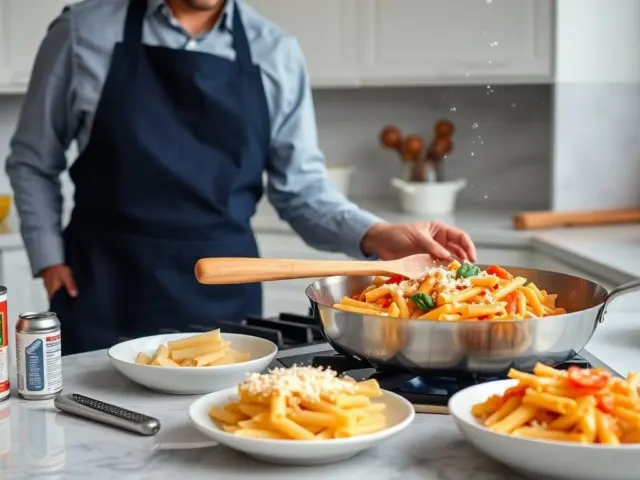
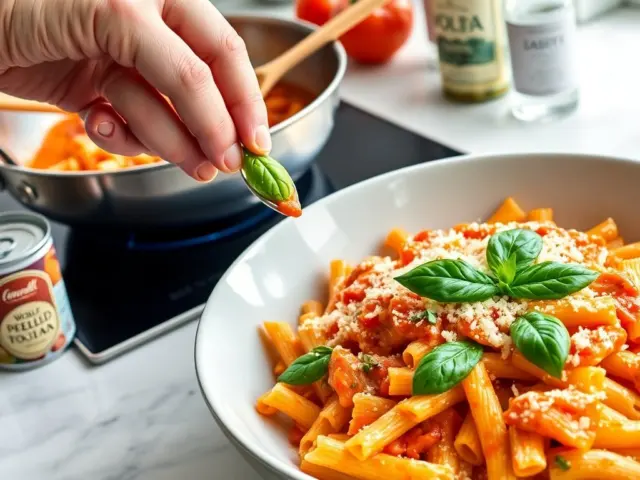
- Pasta night: the dish is a different matter from the drink. Read What Is Vodka Sauce Made Of? The Classic Ingredients And Why They Work – Welovewodka to understand the sauce, then use what to drink with penne alla vodka to choose a glass.
- The kitchen: vodka also appears as an ingredient, and the guide to cooking with vodka covers uses beyond sauce.
Treat those as separate decisions from the pairing menu, and you will avoid mixing up what you serve alongside vodka with what you cook with it.
Frequently asked questions
| Question | Answer |
|---|---|
| Which snacks pair with vodka cocktails? | Match the snack to the drink’s own flavours. Olives, cornichons and onions suit martini-style drinks, while a savoury Bloody Mary is described by a vodka producer as pairing well with food. Roasted nuts and pickles are safe additions for most glasses. |
| Why is vodka trickier to pair than wine or beer? | A hospitality training blog points to its high alcohol, strong flavour and heat. Salty, strong foods help balance it. |
| Does dark bread work as a vodka snack? | Yes. The same producer names pumpernickel or rye as a perfect snack, and rye toast also carries smoked salmon well. |
| How is a vodka martini made? | The producer’s recipe uses 60 ml vodka, 10 ml dry vermouth and 2.5 ml of 2:1 simple syrup, stirred down, fine strained and poured into a chilled glass. Find more at X-Muse. |