| Decision | What to look for or say | Planning use |
|---|---|---|
| Testing a bar’s mixers | Order a Moscow Mule (vodka, ginger beer, lime); a sharp, spicy ginger beer is the good sign | Use it as your opening order at a new venue |
| Checking citrus | Ask: “Do you have fresh lime or lemon?” | Ask before ordering any citrus-led drink |
| Lightest order | Vodka soda with citrus, roughly 100 calories per serving | Default choice when you want something light |
| Tonic instead of soda | Tonic adds around 80–90 extra calories per can | Pick soda unless you want the sweeter drink |
| Loud, busy club | Two-ingredient orders such as Vodka Soda or Vodka Red Bull | Keep the order short so the bartender can keep moving |
| Specialist venue | In-house infused cocktails made with fresh fruit, vegetables, herbs and spices | Ask what is currently infused and order from that list |
| Booking a group | Winter Globes reserved in two-hour blocks for up to 8 people; groups Wednesday through Saturday, latest start 9 pm | Check a venue’s booking rules before you plan the evening |
| Skipping alcohol | A menu of 4 mocktails made with non-alcoholic spirits | Ask whether the bar has a dedicated non-alcoholic list |
Figures come from a bar-ordering guide on WhatDrink and from Inner Circle’s Tulsa venue page.
The best vodka bars show their quality in mixers, fresh citrus and simple drinks made properly, not in the length of the bottle list. Start with a Moscow Mule or a vodka soda with citrus, and ask about fresh lime or lemon first.
This guide works through the decisions in the order you meet them: judging a venue, placing the order, handling martinis, surviving a busy night, tasting vodka straight and choosing a bar by setting. If you only want quick picks, 7 Easy Vodka Drinks To Order At A Bar Tonight – Welovewodka is the shortest route to a drink you can say out loud with confidence.
Judging a vodka bar
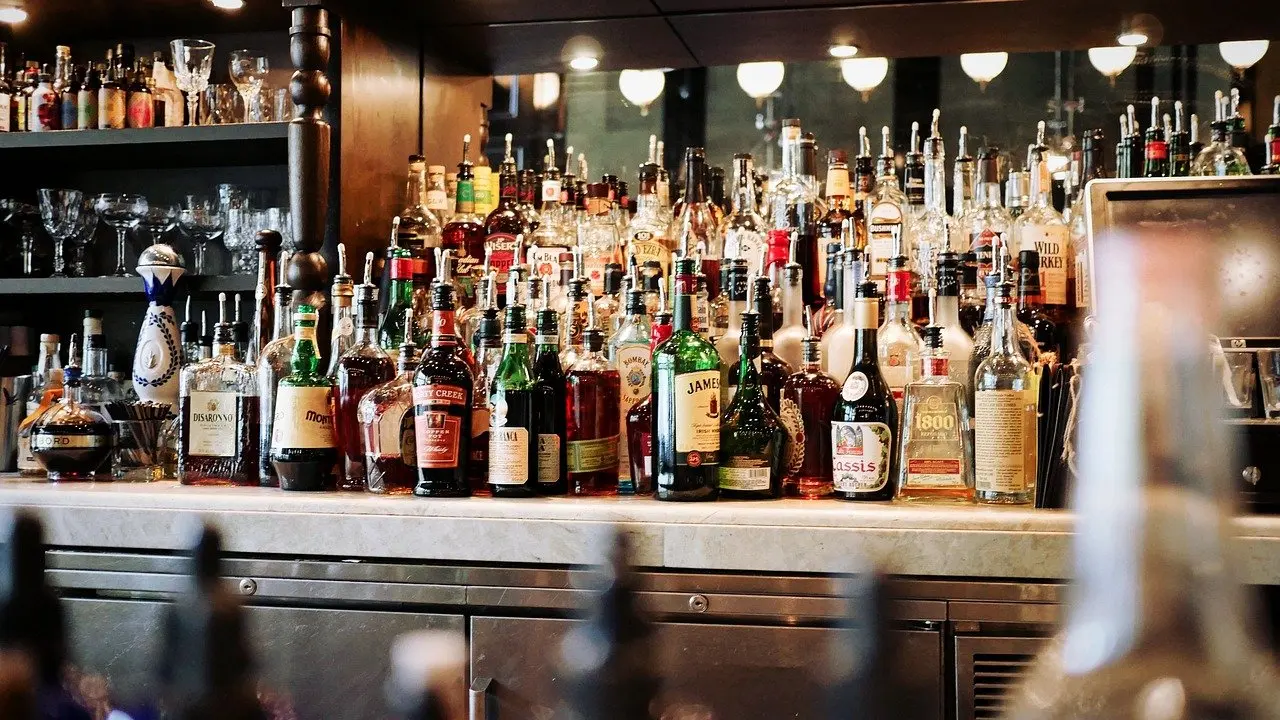
A good vodka bar earns its reputation through what it builds around the spirit: the mixers, the citrus, any house infusions and how clearly the staff handle a plain order. A long bottle list can impress, but on its own it is the weakest signal, because a list tells you what is stocked and nothing about how it is served.
Mixer quality and the Moscow Mule test
WhatDrink calls the Moscow Mule (vodka, ginger beer, lime) one of the best quality tests available to a customer, and it points to the ginger beer as the part that matters most. A sharp, spicy ginger beer, the kind that actually bites, is a signal that the bar pays attention to its mixers. The drink is cheap to order, quick to make and hard to hide behind, which is why it works as a first order in a venue you do not know.
If the mule arrives tasting mild, treat that as a hint rather than a verdict. It suggests the bar may be less careful with mixers than with spirits, so you might keep later orders simple and lean on drinks with fewer moving parts.
Fresh citrus
The same guide gives one question that cuts through uncertainty at any venue: “Do you have fresh lime or lemon?” The answer shapes the rest of your night. A yes makes citrus-led orders safe, including a mule, a vodka soda with a squeeze, or a lemon drop. A hesitant answer is your cue to choose drinks that do not depend on citrus, or to ask what the bartender recommends instead.
House infusions and ingredients
Specialist venues can offer something a general cocktail bar rarely does. Inner Circle, in Tulsa, Oklahoma, describes itself as a fun downtown drinking establishment with a full bar featuring its in-house infused cocktails, and says its featured infusions are made with fruits, vegetables, herbs, spices and other fresh ingredients. That is the venue’s own description, but it illustrates a useful test: a bar that makes infusions in-house has a reason to be called a vodka bar beyond stocking many bottles.
If a bar advertises infusions, ask what is currently infused and order from that list. The feature infusions are the drinks the staff have chosen to put forward, and they are the ones that differ most from what you could get elsewhere.
Back bar and producer claims
Producers make strong claims that you will see on bottles and menus. Double Cross, for instance, says it uses estate-grown winter wheat and diamond filters its vodka seven times. Such statements describe the producer’s pitch. They are worth knowing, but they do not tell you how a particular bar will pour, chill or mix the bottle. Use a claim like that as a conversation opener with the bartender rather than as proof of quality.
Practical features worth checking
Booking rules separate a venue that is easy to plan around from one that is not. Inner Circle states that its Winter Globes can be reserved in two-hour blocks and fit up to 8 people, and that groups can reserve Wednesday through Saturday with the latest reservation starting at 9 pm. For a larger party, a venue that publishes its terms like this saves you a round of messages. Look for the same clarity elsewhere: stated time limits, group sizes and cut-off times.
Ordering a vodka drink at a bar
You order a vodka drink by naming the spirit, the mixer and, where it applies, the citrus. For a vodka soda or vodka tonic, WhatDrink says the citrus specification is the only meaningful decision you are making: ask for a lime, a lemon, or both.
Build the order in sequence
- Name the base. Say vodka, or name a bottle if you can see it on the back bar and want it specifically.
- Name the mixer. Soda, tonic, ginger beer or juice sets the character and the calorie count of the drink.
- Choose the citrus. Lime, lemon or both. Saying it up front saves the bartender guessing.
- Ask about freshness if unsure. “Do you have fresh lime or lemon?” settles it before you commit.
This sequence works because it follows the way a drink is assembled behind the bar, so each piece of your order lands as the bartender reaches for it. A short, complete order also leaves less room for a wrong guess than a vague request such as “something with vodka.”
Common ordering terms
| Term or order | What it means in practice | When to use it |
|---|---|---|
| Vodka soda | Vodka with soda water and a squeeze of citrus; the lowest-calorie vodka drink at any bar, at roughly 100 calories per serving | When you want a light drink and a clean taste |
| Vodka tonic | Vodka with tonic water, which contains sugar and adds around 80–90 extra calories per can compared with soda | When you prefer a sweeter, more bitter-edged drink |
| Lime, lemon or both | The citrus choice for a soda or tonic | Every time you order either one |
| Vodka straight, as a shot | Served chilled, not at room temperature | When you want to taste the spirit itself |
| Flavored vodka build | A drink using flavored vodka, carrying the same ABV as any standard vodka build | When you want flavor without a different strength |
| Moscow Mule | Vodka, ginger beer and lime | As a quick test of mixer quality |
These terms and figures come from the WhatDrink guide to ordering vodka cocktails.
Soda or tonic
The soda-or-tonic choice is where most of the calorie difference in a simple vodka drink sits. WhatDrink notes that tonic water contains sugar and adds around 80–90 extra calories per can, while soda water has none, and it names a vodka soda with a squeeze of citrus as the lowest-calorie vodka drink at any bar, at roughly 100 calories per serving. If lightness is the goal, say soda. If you like the sweeter, more bitter taste of tonic, order it knowing it is the heavier choice. For more ideas along these lines, see low calorie vodka drinks to order at a bar.
Flavored vodka and house builds
Flavored vodka drinks are ordered by name rather than by a recipe you assemble. Inner Circle’s menu lists a Madras Mule made with cranberry/orange vodka, ginger beer and cranberry juice, which shows how a venue can build a familiar mule format on a flavored base. St. George Spirits describes its green chile vodka as making a mouthwatering Moscow Mule with an extra kick, another example of flavor changing a mule without changing its structure.
If you are choosing between a flavored drink and a plain one, the decision is about taste, not strength: WhatDrink says these drinks carry the same ABV as any standard vodka build. Choose a flavored build when you like what it says on the menu, and a plain vodka soda or mule when you want to judge the bar’s basics.
Straight pours and serving style
Ordering vodka straight is a distinct choice from ordering it in a mixed drink. WhatDrink calls a straight shot underrated and says it should be chilled, not at room temperature, so it is reasonable to ask that the vodka come cold. Double Cross presents its vodka as delicious straight as it is mixed, which is the kind of producer positioning that suits a straight pour. The differences between serving it neat, up and over ice are covered in vodka neat vs on the rocks.
Martinis and other classic orders
A martini order is the one place where a vodka bar’s technique is most exposed, because the drink has few ingredients and nowhere to hide. The martini sits behind the bar as a benchmark, and how a bartender handles it says a lot about the rest of the menu.
The Lemon Drop Martini
Among sweeter martini-style drinks, WhatDrink singles out the Lemon Drop Martini. A properly made one, with fresh lemon juice, triple sec, vodka and a sugar rim, sits at the edge of tart. That description is a usable benchmark: a lemon drop that tastes distinctly sweeter than that is a cue to ask what went into it, and a bar that confirms fresh lemon juice is telling you what you want to hear. The fresh-citrus question applies here just as it does to a mule.
Specifying a vodka martini
A vodka martini is ordered with the same clarity as any other drink: say vodka, say the style you want, and ask for any garnish by name. The step-by-step version, including the choices a bartender will ask you about, is in how to order a vodka martini. If you would like to practise at home before ordering out, Double Cross lists a Perfect Martini Kit at $89.99 on its own site, though a kit is a convenience, not a requirement for knowing what to ask for at a bar.
Busy bars, clubs and groups
The right order changes with the room. In a loud, crowded venue the sensible choice is the simplest one you would enjoy, because the bartender’s time is the scarce resource.
Why clubs favor simple drinks
WhatDrink explains the logic plainly: clubs run on volume, bartenders are moving fast under bad lighting, and a shaken, three-component drink creates a bottleneck. Its advice is to keep to two-ingredient orders such as a Vodka Soda or a Vodka Red Bull. That is a judgement about service speed, not a rule about taste. If you want something more elaborate, wait for a quieter hour or choose a venue where cocktails are the point.
Talking to the bartender
The bartender is your best source of information about what a venue does well, and a clear order makes that conversation easy. In a quiet bar, ask what the house is proud of, whether any infusions are current, and whether the citrus is fresh. In a loud one, give the short order and save the questions for later. If you are curious about the work behind the bar, How To Become A Certified Bartender: A Practical Step‑By‑Step Guide For 2026 – Welovewodka explains the route into it.
Planning for a group
For groups, the questions are about space and timing rather than drinks. A venue like Inner Circle that states block lengths, capacity and the latest start time lets you decide in advance whether your plan fits. If a bar does not publish this, ask when you book, and choose an order of rounds that suits the bar’s pace rather than the one you would use at a table at home.
Tasting vodka side by side
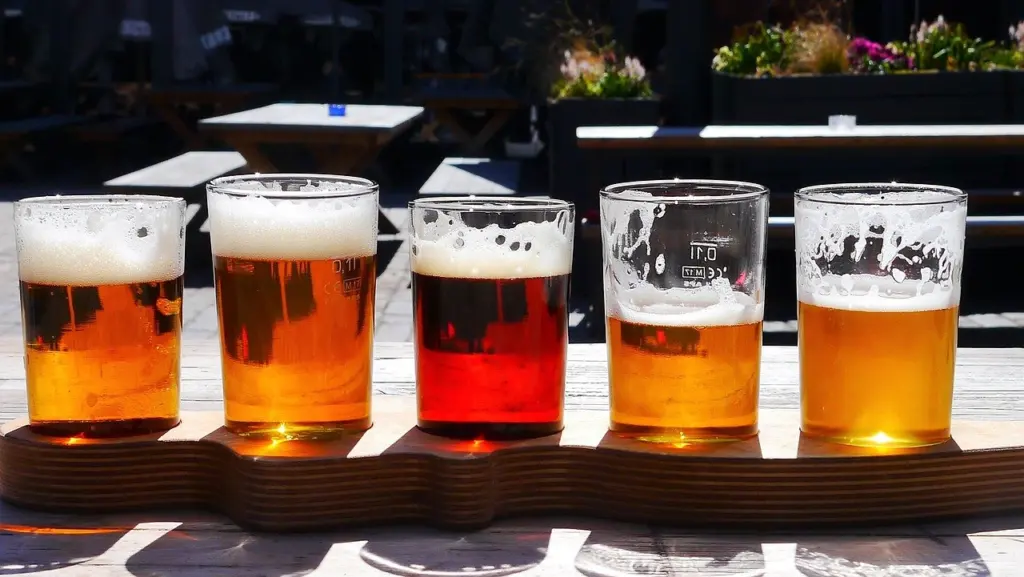
A tasting format suits drinkers who want to compare vodkas rather than pick a single mixed drink. The format lines several pours up on a tray or board so you can taste them one after another; how it runs in practice is described in vodka flight.
Choosing what to compare
A flight is most useful when the pours differ in a way you can name. Because producers make different claims about their bottles, such as Double Cross’s seven rounds of diamond filtration and estate-grown winter wheat, a flight lets you check whether those differences mean anything to you in the glass. Ask the bartender to serve the vodkas chilled, in line with WhatDrink’s advice that a straight vodka should not be at room temperature.
Regional specialists
Some venues build their identity on one country’s style. If your interest is Poland, polish vodka bar covers what to order in Warsaw and Kraków. A specialist like that suits you when you want depth in one tradition; a general cocktail bar suits you when you want range.
Choosing a bar by setting
Setting decides most of the evening, and the ordering habits above carry over to every one of them. Your choice is whether you are after a view, a hidden room or simply the closest good option.
Close to home
If you simply want a bar nearby, vodka bars near me explains how to find one. Use the criteria from earlier in this guide to filter what you find: look for a menu that names its mixers, mentions fresh citrus or highlights house infusions.
Rooftop bars
Rooftop venues suit occasions where the view is the draw, and a simple vodka soda or mule travels well in any of them. City guides:
- Asia: Bangkok Nights: 9 Best Rooftop Bars For Views, Cocktails, And Sunsets In 2026 – Welovewodka
- California: San Francisco Rooftop Bars: The Best Views, Drinks, And When To Go In 2026 – Welovewodka
- Nevada: Sky-High Sips: The 2026 Guide To The Best Rooftop Bars In Las Vegas – Welovewodka
- Illinois: Chicago’s Best Rooftop Bars in 2026: 7 Must-Visit Spots For Views, Drinks & Sunsets – Welovewodka
- New York: Sky-High Sips: The 2026 Guide To NYC’s Best Rooftop Bars – Welovewodka
Speakeasy bars
Hidden venues suit drinkers who want the bartender’s recommendation rather than a fixed order, so lean on the questions about house specialties and citrus. For Chicago, see Chicago Speakeasy Bars: Where To Find Hidden Cocktails & Prohibition Vibes In 2026 – Welovewodka, and for New York, Nighttime Secrets: The 2026 Guide To NYC Speakeasy Bars — Where To Drink, How To Get In, And What To Order – Welovewodka.
Frequently asked questions
Does a flavored vodka drink contain more alcohol than a plain one?
No. WhatDrink says flavored vodka builds carry the same ABV as any standard vodka build, so the choice comes down to taste.
Can I get a non-alcoholic drink at a vodka bar?
Some venues offer one. Inner Circle, for example, created a menu of mocktails made with NA spirits, so it is worth asking whether a bar keeps a dedicated list.
What is vodka made from, and is it aged?
Vodka is a distilled spirit usually made from grains, potatoes or grapes. According to a spirits retailer’s vodka collection, most vodka is bottled clear and fresh rather than aged in wood.
Is a Moscow Mule a good first order at an unfamiliar bar?
Yes. WhatDrink describes it as one of the best quality tests available, and a sharp, spicy ginger beer indicates a bar that pays attention to its mixers.