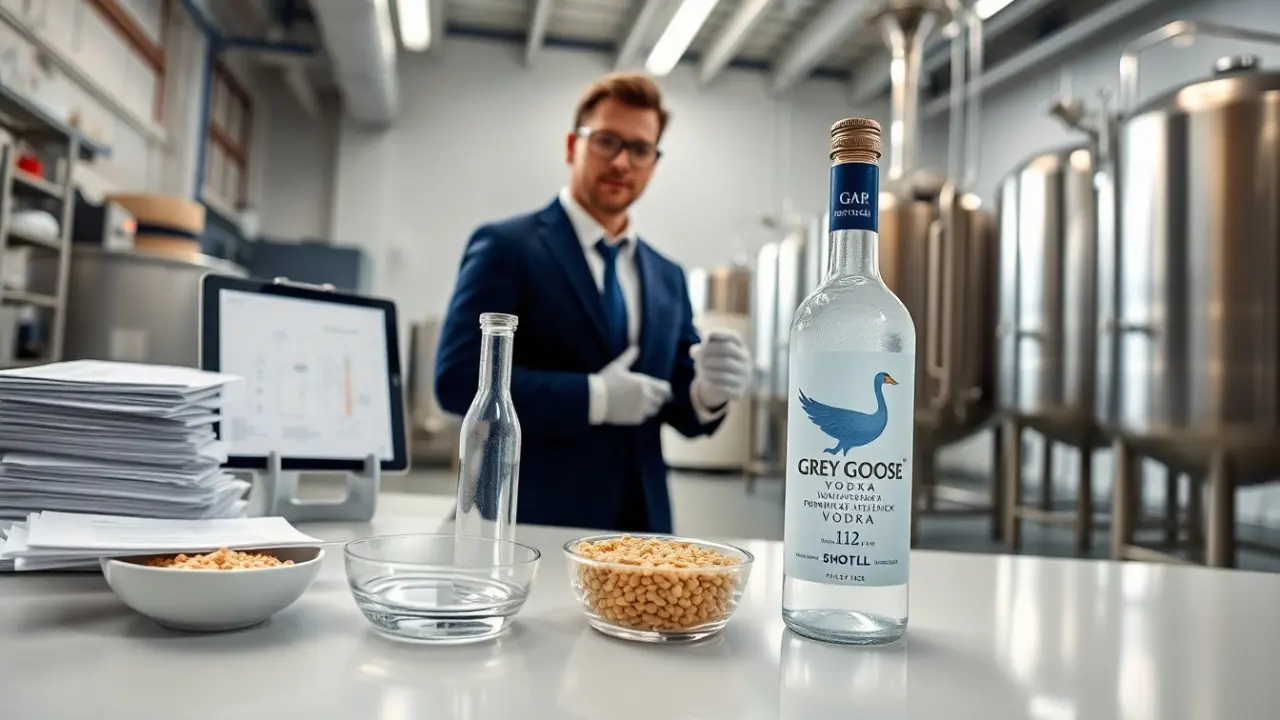
This article explains what is grey goose vodka made from and why those ingredients matter. It lists the wheat, water, and yeast used in the recipe. It outlines the distillation steps and the role of each ingredient. It shows how the ingredients shape flavor and suggested uses. It stays clear and direct so a reader can grasp the facts fast.
Key Takeaways
- Grey Goose vodka is made primarily from soft winter wheat from Picardie, France, using high-starch, low-protein grains to ensure purity and smoothness.
- The vodka uses Gensac spring water, valued for its balanced mineral content, which enhances mouthfeel without overpowering flavor.
- A specific yeast strain is employed to ferment the sugars into alcohol, contributing to a neutral flavor profile that highlights mixers and cocktail ingredients.
- Multiple distillation passes using column stills remove impurities, resulting in a high-purity spirit with a clean, subtle grain character.
- The final vodka is diluted and filtered to achieve consistent quality, smooth texture, and optimal taste for sipping or mixing in cocktails.
- Though premium priced, Grey Goose’s ingredient quality and distillation process make it ideal for cocktails requiring a neutral, clean-tasting vodka.
Main Ingredients: Picardie Wheat, Water, And Yeast
Grey Goose uses a short list of main ingredients. The recipe uses soft winter wheat from Picardie, France. The wheat provides starch and fermentable sugars. The brand selects that wheat for its low protein and high starch. The yeast converts sugars into alcohol. The distiller uses a specific yeast strain to get a neutral profile. The recipe uses Gensac spring water for dilution. The water adds no strong flavors. The water contains minerals that affect mouthfeel. Distillers filter and test the water for consistency. In plain terms, the product uses wheat, yeast, and water as the core inputs. Those three ingredients determine alcohol yield, texture, and purity. When consumers ask what is grey goose vodka made from, they mean these main items. The brand lists the wheat origin to signal ingredient traceability. That traceability also supports consistent batch quality.
How Grey Goose Is Made: From Grain To Bottle
The process starts with milling the Picardie wheat. The mill breaks the grain into fine particles. The miller mixes the grain with hot water. The heat turns starch into sugars. The mash moves to fermentation tanks. The yeast gets added to start fermentation. The yeast eats sugars and makes alcohol and carbon dioxide. The distillery runs multiple distillation passes to strip impurities. The distillers use column stills for high purity. The spirits come off the still at high proof. The team then tests the spirit for impurities and flavor. The distillers dilute the spirit with Gensac spring water to bottling strength. The team filters the spirit to meet clarity standards. The brand bottles the vodka at specified alcohol by volume and seals each bottle.
Gensac Spring Water And Its Mineral Profile
The water comes from the Gensac spring in France. The spring water has low dissolved solids and a balanced mineral mix. The water contains calcium and magnesium at low to moderate levels. Those minerals add slight texture to the mouthfeel. The team measures mineral content in parts per million. They adjust blending to keep the water stable across seasons. The distillers test water for nitrate and other contaminants. The team stores water under controlled conditions. The consistent water makes the final vodka predictable. When readers ask what is grey goose vodka made from, they often mean this spring water and its role. The water completes the product by setting the final alcohol level and body.
How Ingredients Shape Flavor, Purity, And Best Uses
The wheat base keeps the flavor neutral and slightly sweet. The neutral profile lets mixers and flavors stand out. The yeast choice affects small esters that give subtle floral or grain notes. The distillation method removes most congeners and off-notes. That removal leads to high purity and smoothness. The Gensac water adds a soft, round mouthfeel. The mineral mix prevents the vodka from tasting flat. The combined effect gives a clean palate and mild grain character.
Cocktails benefit from that clean profile. Mixologists use this vodka in martinis, highballs, and craft cocktails. The neutral spirit supports citrus, herbal, and fruit elements without competing. The vodka also works for sipping chilled or over a large ice cube. For sipping, the slight grain sweetness comes forward at low temperature. For mixed drinks, the vodka disappears and the other ingredients define the drink.
Buyers who ask what is grey goose vodka made from should consider price versus use. The product often sits at a premium price tier. That price reflects ingredient sourcing, distillation steps, and marketing. For a cocktail that needs a quiet, neutral spirit, the vodka makes sense. For flavored cocktails or heavy mixers, a less expensive neutral vodka can perform similarly.