Gin vs vodka sets the stage for a clear choice in spirits. The guide shows core differences, common uses, and simple rules for picking one. It gives practical facts and tasting cues. The reader learns how each spirit tastes, how each mixes, and which fits specific drinks and occasions.
Key Takeaways
- Gin vs vodka differs mainly in flavor: gin offers botanical, pine, and citrus notes, while vodka is neutral and flavorless.
- Choose gin for flavor-forward cocktails like Martinis and Gin and Tonics, and vodka for neutral base drinks like Moscow Mules and Cosmopolitans.
- Gin pairs well with light foods and is ideal for afternoon or early evening; vodka suits heavier mixers and late-night settings.
- Calorie differences are minimal; mixer choices significantly affect the overall caloric content of cocktails.
- Mix gin with fresh citrus or quality tonic and garnish with herbs or cucumber, while vodka pairs well with fresh mixers and simple garnishes like lime or olives.
- Select gin if you enjoy herbal and spicy tastes, and vodka if you prefer a subtle spirit that lets mixers shine.
What Makes Gin And Vodka Different: Ingredients, Distillation, And Flavor Profiles
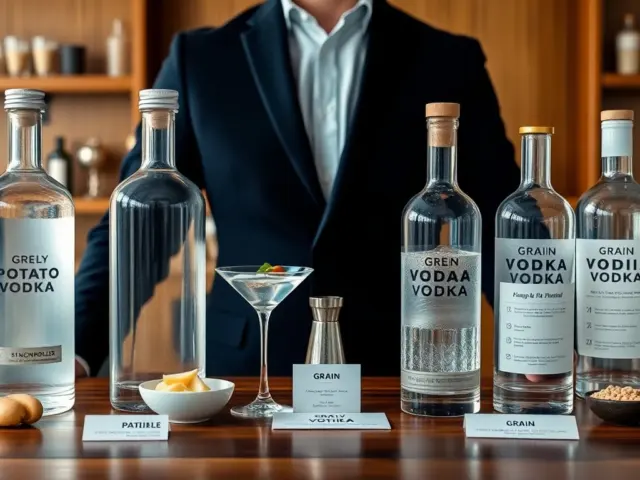
Gin vs vodka starts with ingredients. Vodka often uses grains, potatoes, or corn. Distillers ferment those sugars and then distill to a neutral spirit. Vodka aims for a clean, nearly flavorless result. Gin starts with a neutral base spirit too. Distillers then redistill or infuse that spirit with botanicals. Juniper berries remain the defining botanical for gin. Producers add coriander, citrus peel, angelica root, and other herbs.
Gin vs vodka shows up in aroma. Vodka smells faintly of grain or ethanol when it is good. Gin smells of juniper and other botanicals. Gin delivers pine, citrus, floral, or spicy notes. Vodka delivers nothing that competes with other ingredients.
Distillation shapes the two spirits. Vodka uses multiple runs or charcoal filtration to remove impurities. Gin uses botanical contact during distillation to extract oils and aromas. Some gins use vapor infusion to keep certain flavors bright. Others steep botanicals for a heavier profile.
Gin vs vodka also differs by style. London Dry gin stays dry and bright. Old Tom gin adds a touch of sweetness. New Western gins shift emphasis away from juniper toward other botanicals. Vodka shows regional styles but less variety in flavor. Some craft vodkas highlight base ingredient character or use aged casks for subtle color and aroma.
When tasting, gin gives herbal and citrus signals. Vodka gives neutral backbone and mouthfeel. Gin invites chewing on flavor. Vodka invites focusing on texture. Those differences guide drink choice and food pairing.
How Gin And Vodka Behave In Cocktails And When To Drink Each
Gin vs vodka changes how a cocktail feels. Gin adds botanical complexity. Vodka adds strength without altering flavor.
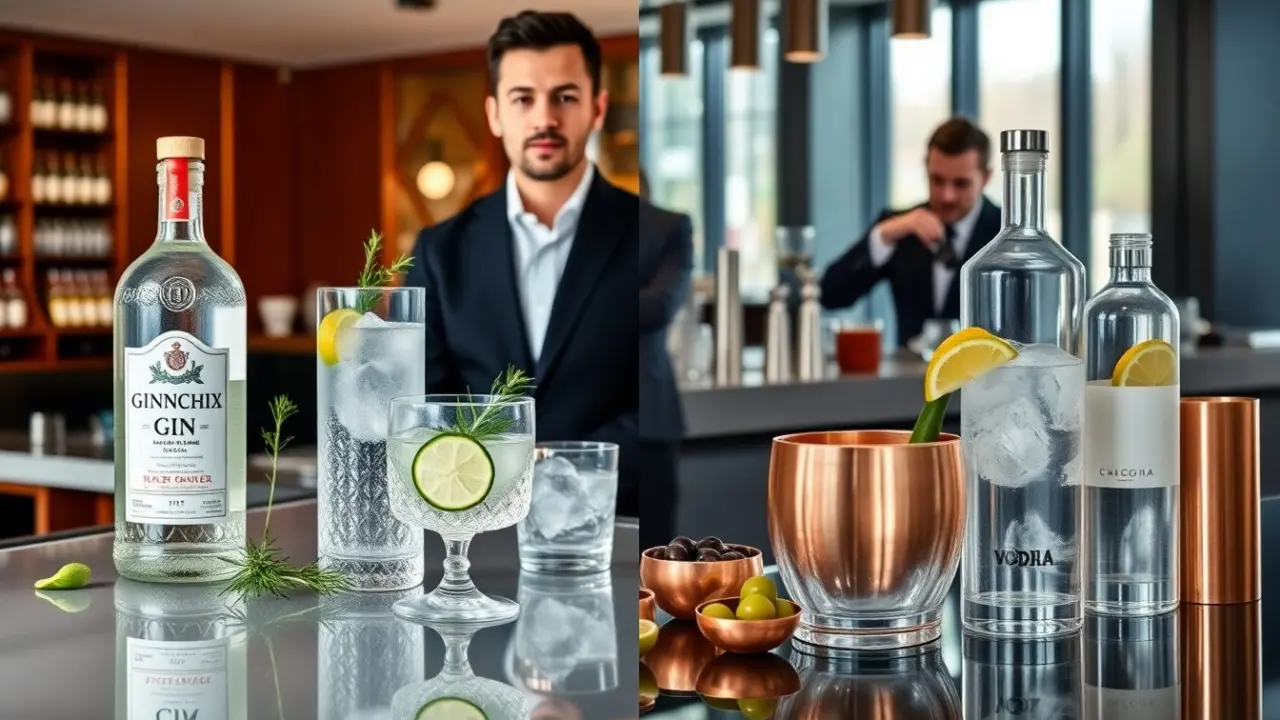
Bartenders use gin when they want flavor forward cocktails. Classic gin drinks include the Martini, Negroni, Gin and Tonic, and Tom Collins. In those drinks, gin provides aroma and balance. Gin pairs well with citrus, bitter liqueurs, and tonic water. Gin also works with fresh herbs and cucumber.
Bartenders use vodka when they want a neutral spirit base. Classic vodka drinks include the Vodka Martini, Moscow Mule, Bloody Mary, and Cosmopolitan. In those drinks, vodka carries mixers, juices, and syrups without competing. Vodka works with tomato, ginger, berry, and citrus flavors.
Gin vs vodka also affects clarity of taste. A vodka soda highlights the mixer. A gin and tonic highlights the gin. Drinkers choose vodka for subtlety and gin for character.
Timing matters. Gin suits afternoon and early evening service because its aromatics pair with light food. Vodka suits late night or heavy mixers because it delivers alcohol without strong flavor. For outdoor or hot-weather drinking, gin and tonic offers refreshment. Vodka soda offers a low-calorie, low-flavor option.
Gin vs vodka changes how long a cocktail lasts. Aromatic cocktails feel complex and may slow sipping. Neutral cocktails may encourage faster consumption. Drinkers should pick the spirit to match the mood and the mixer strength.
Practical Considerations: Calories, Cost, Mixing Tips, And How To Choose Based On Taste
Gin vs vodka differ in calories by only a small margin. A standard 1.5-ounce pour of either spirit at 40% ABV has about 95 to 110 calories. Calories shift when mixers add sugar. A tonic or syrup raises calories quickly. A soda water or fresh lime keeps calories low.
Gin vs vodka differ slightly in cost. Mainstream vodka often costs less than craft gin. Craft gins with rare botanicals or small-batch processes can cost more. The reader should compare price per liter and taste before buying a premium bottle.
Mixing tips help use each spirit well. For gin, chill the glass and use fresh citrus or quality tonic. Match the gin style to the mixer: bright London Dry with tonic, floral gin with lemon and soda. For vodka, focus on fresh mixers and texture. Use ginger beer for spice, tomato mix for savory drinks, or cold coffee for dessert cocktails.
Gin vs vodka also affects glassware and garnish. Gin cocktails benefit from a twist of lemon, a sprig of rosemary, or a slice of cucumber to lift botanicals. Vodka cocktails benefit from a lime wedge, olives, or a citrus peel to add a single clear note.
How to choose based on taste: If the person likes herbs, pine, citrus, or spice, they should pick gin. If the person prefers neutral flavor and wants the mixer to dominate, they should pick vodka. If the person likes classic bitter cocktails, gin often serves better. If the person likes sweet or spicy mixers, vodka often serves better.
Gin vs vodka also matters for food pairing. Gin pairs with seafood, salads, and light cheeses. Vodka pairs with richer dishes, smoked fish, and creamy sauces. The final choice should match the drinker’s flavor preference, the mixer, and the setting.