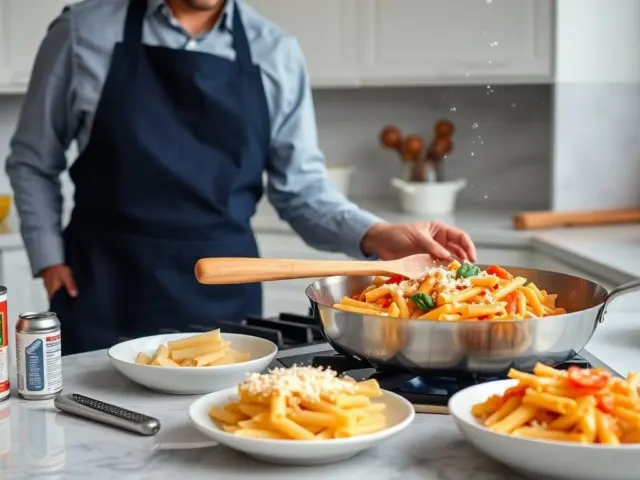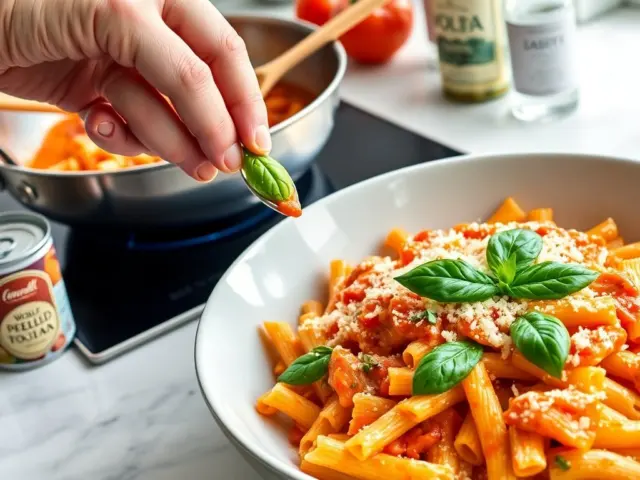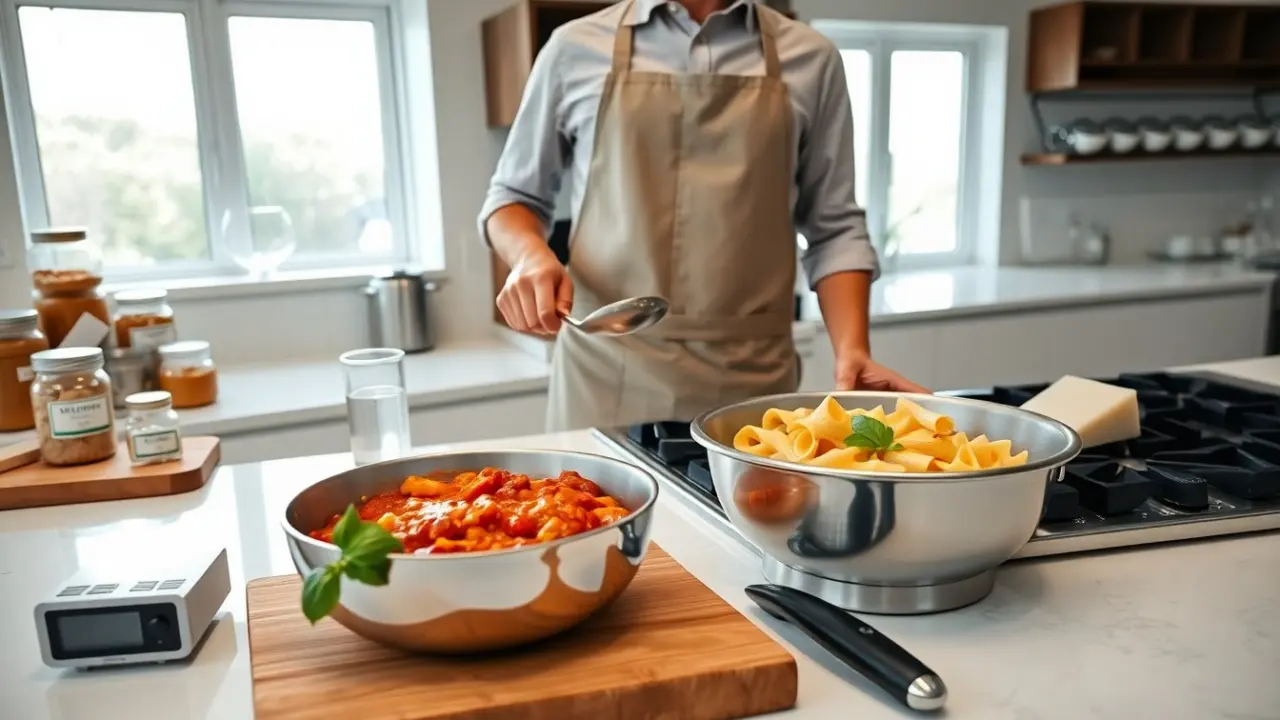
Rigatoni vodka pasta delivers rich flavor with fast prep. The cook heats oil, sautés aromatics, adds vodka, and simmers a tomato-cream sauce. The cook boils rigatoni, tosses it with sauce, and finishes with cheese. This dish fits weeknight schedules and pleases guests. The recipe uses pantry staples and common substitutions. The directions stay clear so cooks can move quickly and get dinner on the table in thirty minutes.
Key Takeaways
- Rigatoni vodka pasta offers a flavorful tomato-cream sauce that can be prepared quickly, making it ideal for weeknight dinners.
- Vodka enhances the sauce by releasing flavor molecules and balancing acidity, resulting in a brighter and smoother tomato taste without overwhelming the dish.
- Use pantry staples like canned crushed tomatoes, heavy cream, and rigatoni pasta, with simple substitutions such as half-and-half plus butter or neutral spirits if needed.
- Selecting high-quality durum semolina rigatoni and full-fat heavy cream ensures the best texture and a silky sauce consistency.
- Follow a clear step-by-step cooking method that includes sauce preparation, pasta cooking, and careful seasoning to complete the dish in about thirty minutes.
- Store leftovers properly in the refrigerator for up to three days and reheat gently to maintain the sauce’s creamy texture, avoiding the microwave when possible.
Why Vodka Makes This Tomato-Cream Sauce Better
Vodka changes how flavors release in tomato sauce. Alcohol dissolves certain flavor molecules that water and oil do not dissolve. The sauce gains a brighter tomato note and smoother mouthfeel. The cook adds vodka early so alcohol reduces and flavor concentrates. Vodka also balances acidity without adding strong flavor. Many cooks prefer vodka for that balancing effect in rigatoni vodka pasta. The amount of vodka stays modest so the sauce keeps a gentle profile. If a cook skips vodka, the sauce will still taste good but it will taste less rounded.
Ingredients You Need — With Smart Substitutions
The list below covers primary ingredients and easy swaps for rigatoni vodka pasta. Use canned crushed tomatoes, heavy cream, vodka, garlic, olive oil, onion, salt, pepper, and crushed red pepper. Use rigatoni or another tube pasta to hold sauce. Substitute half-and-half plus a tablespoon of butter if heavy cream is not available. Use vodka or a neutral spirit for similar effect. Use grated Parmesan or Pecorino Romano for finishing. Use fresh basil or a pinch of dried oregano if fresh herbs are not on hand.
Choosing Pasta, Cheese, And Cream
Choose a high-quality durum semolina rigatoni for best texture. The cook looks for pasta that holds shape and tooth. Choose full-fat heavy cream for a silky sauce. The cook avoids low-fat creams because they separate when heated. Choose Parmesan for nutty, salty notes and Pecorino for sharper flavor. The cook grates cheese fine so it melts easily. If the cook needs a vegetarian option, they pick vegetarian hard cheese and confirm rennet source.
Step-By-Step Cooking Method
This section gives clear steps to make rigatoni vodka pasta. The cook follows three phases: sauce prep, pasta cooking, and final combine. The cook reads the full recipe before starting. The cook organizes ingredients and tools so they work efficiently. The cook times each stage to finish in thirty minutes. The method keeps heat control clear and avoids overcooking pasta. The cook tastes and adjusts seasoning at each step.
Tips For Serving, Storing, And Reheating
Serve rigatoni vodka pasta hot so the sauce feels creamy. The cook pairs the dish with a simple green salad and crusty bread. Store leftovers in an airtight container for up to three days in the refrigerator. The cook rewarms pasta gently in a skillet over low heat with a splash of cream or reserved pasta water. The cook avoids microwave reheating when possible because microwave heat can separate the sauce. The cook freezes the sauce without pasta for up to two months and thaws it overnight before combining with freshly cooked rigatoni.