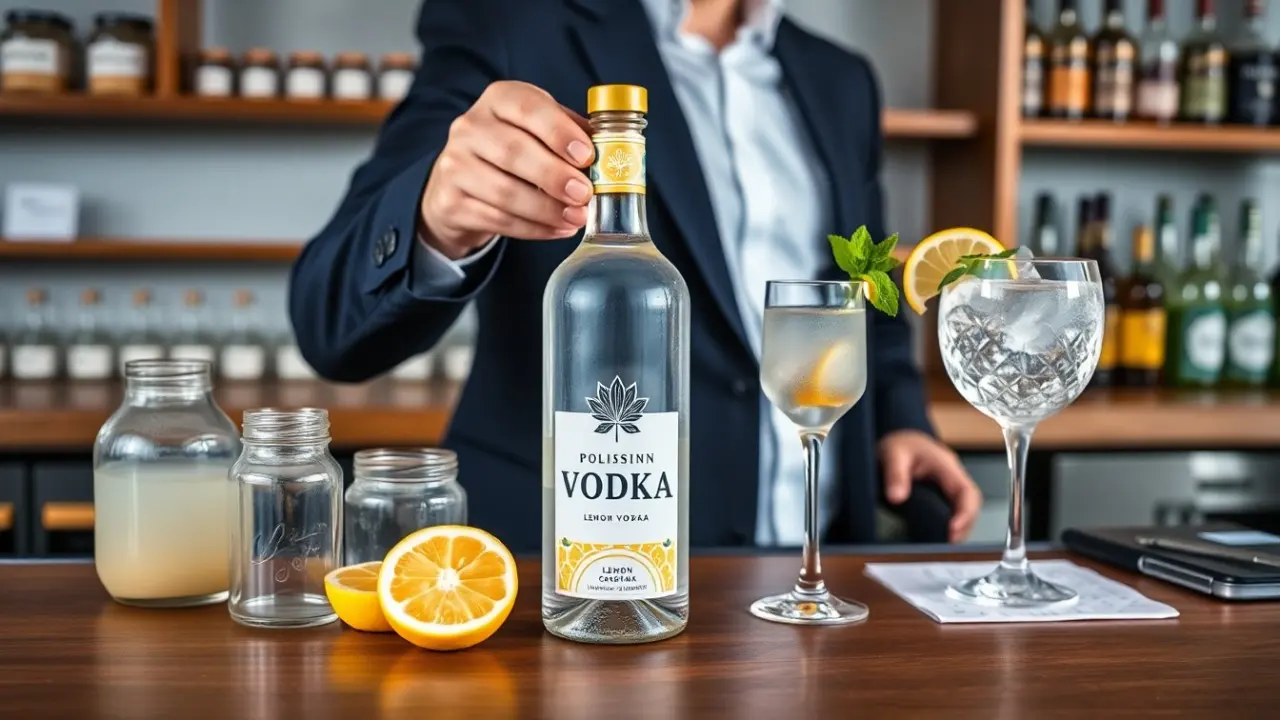
Polish lemon vodka appears across menus and home bars worldwide. The article explains what cytrynówka is, how makers create it, and how people serve it. Readers get a clear history, a simple recipe, and practical serving tips. The text uses plain language for easy reading and action.
Key Takeaways
- Polish lemon vodka, known as cytrynówka, is a lemon-infused spirit traditionally made with vodka, lemon peel, sugar, and sometimes spices for a bright citrus flavor.
- The infusion process varies from 5 to 14 days, with shorter times producing brighter lemon notes and longer times yielding deeper, oil-forward profiles.
- Homemade cytrynówka is simple to make using neutral vodka, lemon zest without pith, and sugar syrup, and it can be enjoyed neat or in cocktails.
- Choosing Polish lemon vodka with higher alcohol and low sugar offers a clean, zesty sip, while sweeter versions work well as dessert-style liqueurs.
- Proper storage in a cool, dark place preserves the lemon oils and freshness, allowing homemade infusions to last up to 12 months.
- Polish lemon vodka is versatile, served chilled as an aperitif, mixed in refreshing cocktails, or added to culinary dishes for a citrus kick.
What Is Polish Lemon Vodka? Origins, Varieties, and Flavor Profile
Polish lemon vodka refers to cytrynówka, a lemon-infused spirit made in Poland. Historians trace its roots to rural homes where people flavored vodka with fruit. Producers later adopted the drink for regional markets. Cytrynówka appears in bottled craft lines and homemade batches. Varieties range from clear infusions to sweet, syrupy liqueurs.
Traditional makers use neutral vodka or rectified spirit as a base. They add lemon peel, sugar, and sometimes spices. Some recipes use fresh lemon juice. Others rely only on peels to avoid dilution. Artisanal brands may age the infusion briefly to smooth the edges.
The flavor profile shows bright citrus oil, mild bitterness, and sweet balance when sugar is present. The peel adds a floral, slightly bitter note. Sugar brings body and rounds the taste. High-proof vodka preserves the lemon oils and keeps the drink lively. Lower-proof versions taste softer and sweeter.
People use polish lemon vodka in many ways. Some sip it chilled as an aperitif. Others mix it in cocktails for a lemon punch. Home cooks add it to sauces or desserts for a citrus kick. Bartenders pair it with sparkling water, tonic, or ginger beer for a light long drink.
Labels differ by sugar level and alcohol content. Some bottles call the product a liqueur and sit at 30–35% ABV. Others list it as an infused vodka and sit at 40% ABV or higher. Consumers who want a clean, zesty sip should choose higher ABV and low sugar. Those who want dessert-style flavors should pick sweeter options.
How It’s Made: Distillation, Lemon Infusions, and Quality Tips
Producers begin with distilled neutral spirit. Distillers may use grain or potatoes as the raw material. The base spirit should show little aroma so lemon notes stand out. Small producers sometimes distill again for purity.
Infusion follows a simple method. People wash lemons and peel them thinly to capture only the zest. They avoid white pith because it gives bitterness. They add the peels to the spirit and rest the mix. Rest time varies from a few days to several weeks. Short rests give bright citrus. Long rests give deeper, oil-forward flavor.
Sugar enters the process at two points. Some makers add syrup after infusion. Others macerate peels in a syrupy mix from the start. The sugar amount controls the body and mouthfeel. Producers aiming for balance test small batches and adjust sugar in steps.
Quality builders look for these signs. The lemon aroma should come through clean. The taste should show clear citrus oil and limited off-notes. The color should suit the product style: pale gold for sugar-aged versions and clear for neutral infusions. High proof preserves aromatics: low proof softens aroma.
Buyers can evaluate labels for clarity. Labels that list only natural peel and spirit indicate a simple infusion. If labels list artificial flavors or excessive additives, buyers should inspect closely. Storage matters too. People should keep lemon vodka away from light and heat. Proper storage keeps the lemon oil fresh.
Small distilleries often publish batch notes. Those notes show peel type, infusion time, and sugar content. People who want a specific taste should read those notes. They can then pick a product that matches their serving plan or cocktail style.
Easy Homemade Cytrynówka Recipe With Serving Suggestions
Ingredients:
- 750 ml neutral vodka or 40–50% ABV spirit
- 6 large unwaxed lemons, washed
- 300 g granulated sugar
- 300 ml water
Method:
- Peel the lemons thinly. Keep the yellow zest and remove the white pith. The method ensures bright citrus oil without bitter notes. 2. Place the peels in a clean jar. Pour the vodka over the peels so they sit fully covered. 3. Seal the jar and store it in a cool, dark place. Let the jar rest for 7 to 14 days. Shake the jar once per day. 4. After the rest period, make a simple syrup. Heat the water and sugar until the sugar dissolves. Cool the syrup to room temperature. 5. Strain the vodka to remove the peels. Mix in the cooled syrup. 6. Bottle the infusion and chill before serving.
Notes on timing and taste:
- Shorter infusion (5–7 days) gives a bright, lemony vodka. – Longer infusion (10–14 days) gives a fuller oil character. – Adjust sugar to taste. People who want dryer vodka can reduce sugar to 200 g.
Serving suggestions:
- Serve neat and chilled in a small glass as an aperitif. The cold reduces bite and highlights sweet notes. – Mix with sparkling water and a sprig of mint for a light highball. – Use 30–45 ml in a cocktail as a lemon-forward base. Replace lemon liqueur in classic recipes for a fresher result. – Add a splash to lemon desserts or panna cotta for an immediate citrus lift.
Storage and shelf life:
Homemade cytrynówka lasts up to 12 months if kept sealed and cool. The flavor will mellow over time. People should label bottle dates to track freshness.