llblogfood light recipes from lovelolablog is the label attached to a food post on the LoveLolaBlog site that collects seven low-calorie weeknight recipes. This explainer sets out what the odd “llblogfood” prefix means, which dishes the post lists and how much weight to give its health and calorie wording.
| What people ask | What the site shows |
|---|---|
| What does llblogfood mean? | A made-up label in post titles, not a separate site |
| How many recipes are in the post? | Seven, built around produce, grains and lean protein |
| Where does it sit on the site? | In the Food category of the main menu |
| Are the calorie claims checked? | No nutrition tables or lab data are given |
What the llblogfood label means on lovelolablog
Nothing in the menu is called llblogfood. The word appears only inside the titles and opening lines of certain posts, as a sort of tag that joins “ll” (for LoveLola) with a topic word such as food, family or home. The site itself is styled LoveLolaBlog, and its menu shows Home, Family and Relationships, Health, Food, About Us and Contact Us.
So when someone searches llblogfood light recipes from lovelolablog, they are looking for one specific article, titled “Light & Lovely: 7 Fresh Low-Calorie Recipes From LoveLolaBlog (Quick Meals For Busy Weeknights)”. Its opening sentence repeats the search phrase almost word for word, which gives the page an unusual, slightly stiff sound.
The related phrase llblogfood fast recipes by lovelolablog is used in the same way for quick-meal posts, and it leads to the same Food section rather than to a different publication.
The seven light recipes lovelolablog lists
The post describes its cooking approach as fresh produce, whole foods and smart swaps: yogurt or stock instead of heavy cream, bright herbs and acid for flavour, less added sugar and oil, and attention to portions. The recipes it names are:
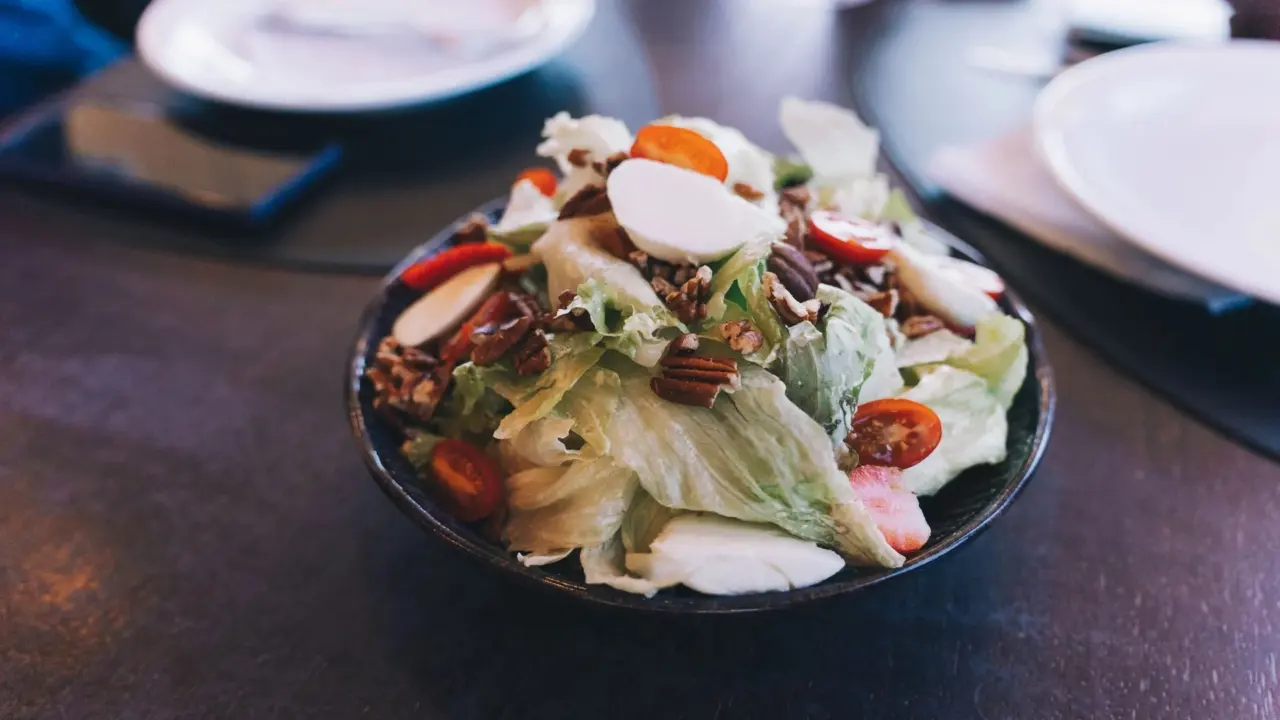
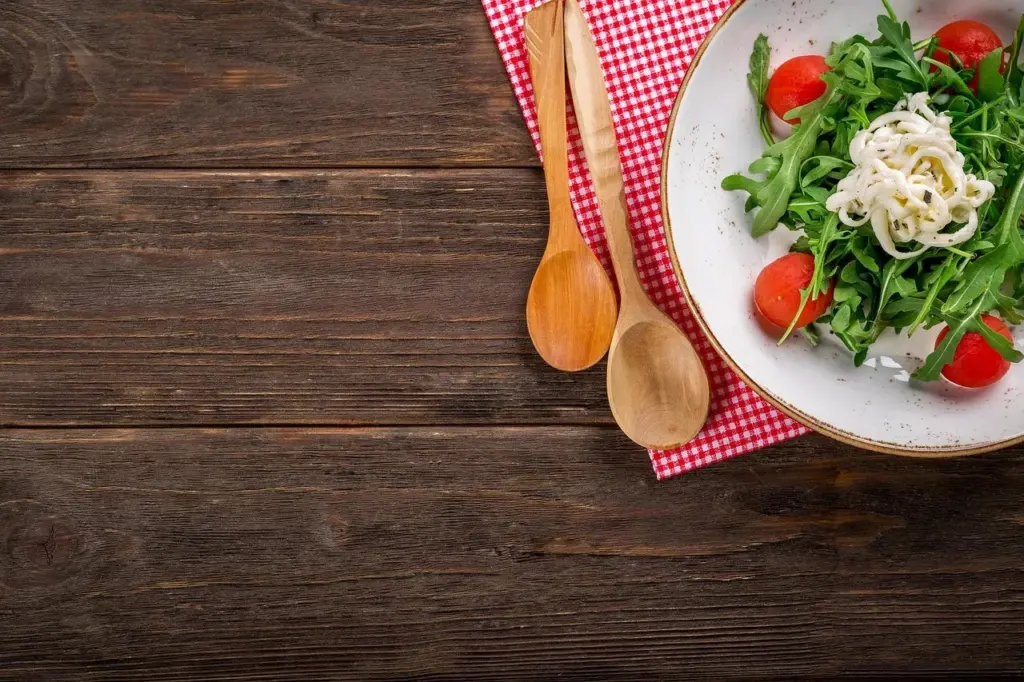
- A zesty lemon chickpea salad with cucumber, cherry tomatoes and parsley, tossed and chilled for ten minutes.
- Cauliflower “mac” with spinach, peas and a lighter cheese sauce made with low-fat milk and a small amount of sharp cheese.
- Seared salmon with citrus salsa and a quick cucumber slaw dressed with yogurt and lemon.
- A Greek yogurt and berry parfait, said to stay under 200 calories when portioned as suggested.
The remaining dishes are covered in the same article in the form of meal-prep advice and a shopper’s list rather than full recipes. That list names chickpeas, cauliflower, spinach, salmon, Greek yogurt, berries and quick grains such as quinoa.
Cooking from the lovelolablog post: practical notes
As a planning tool the article is easy to follow. It suggests a three-step weekly routine of chopping vegetables, cooking a grain and portioning proteins, then freezing single servings of sauces and soups. Suggested swaps include Greek yogurt for sour cream and cauliflower rice for white rice.
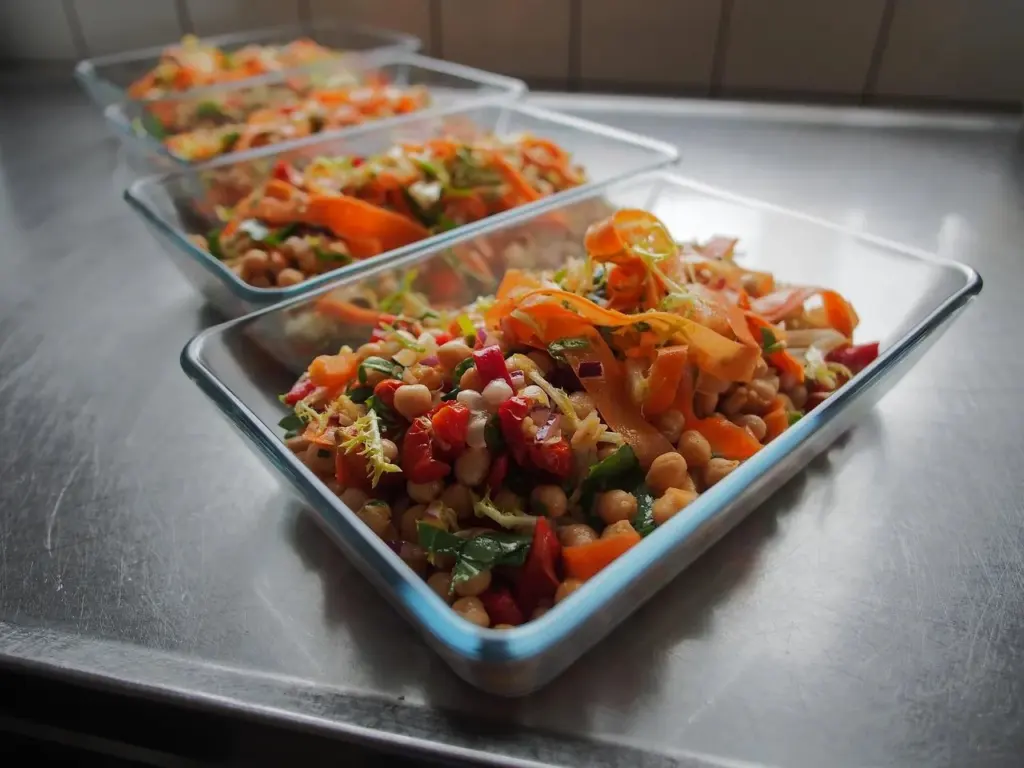
Two cautions apply. First, the wording is general and compact; quantities are given for some recipes and not others, so a cook who wants exact servings will have to work them out. Second, calorie numbers appear without a nutrition panel, so they should be read as the author’s estimate. Anyone managing a medical condition, an allergy or a strict calorie target should work from labelled ingredients and professional advice rather than a blog estimate.
Common mix-ups when searching for lovelolablog recipes
Three confusions come up repeatedly. The first is assuming llblogfood is a separate brand or app; it is not, and no page on the site uses it as a standalone name. The second is mixing the light recipes post with the neighbouring family nutrition article, which covers meal routines for parents rather than individual dishes. The third is expecting a searchable recipe database. The Food archive is a plain chronological list of articles, with no filters for diet, time or ingredient.
If you want a quick route, open the Food link in the main menu, scan for the post with the seven recipes in its title and read the section headings first. Each heading is the name of a dish, so you can jump to the one you want. The article ends on a shopper’s list, which is the most useful part for planning a week.
It also helps to remember that the post is written in very short, flat sentences, such as “The cook tosses ingredients and chills for ten minutes.” That style is quick to scan on a phone but leaves out the little details an experienced recipe writer would add, such as pan size, heat level or how to tell when the salmon is done. A cook who is new to a technique may want to check one of those points elsewhere before starting.
Who is behind lovelolablog, and how reliable is it
The About Us page describes a lifestyle blog about family, relationships, food, travel, home and tech, and introduces three contributors by first name: Nala, Deanne and Zoe, the last of whom is described as the food writer. The bylines seen on posts elsewhere on the site carry other names, and the page gives no surnames, company or address.
The Food archive mixes the light recipes with unrelated pieces on livestock gut health, food delivery companies and a baby bottle warming tip. That variety suggests a general content site more than a specialist recipe kitchen. For a weeknight salad it is a fine starting point; for nutrition decisions, treat it as one input among several.