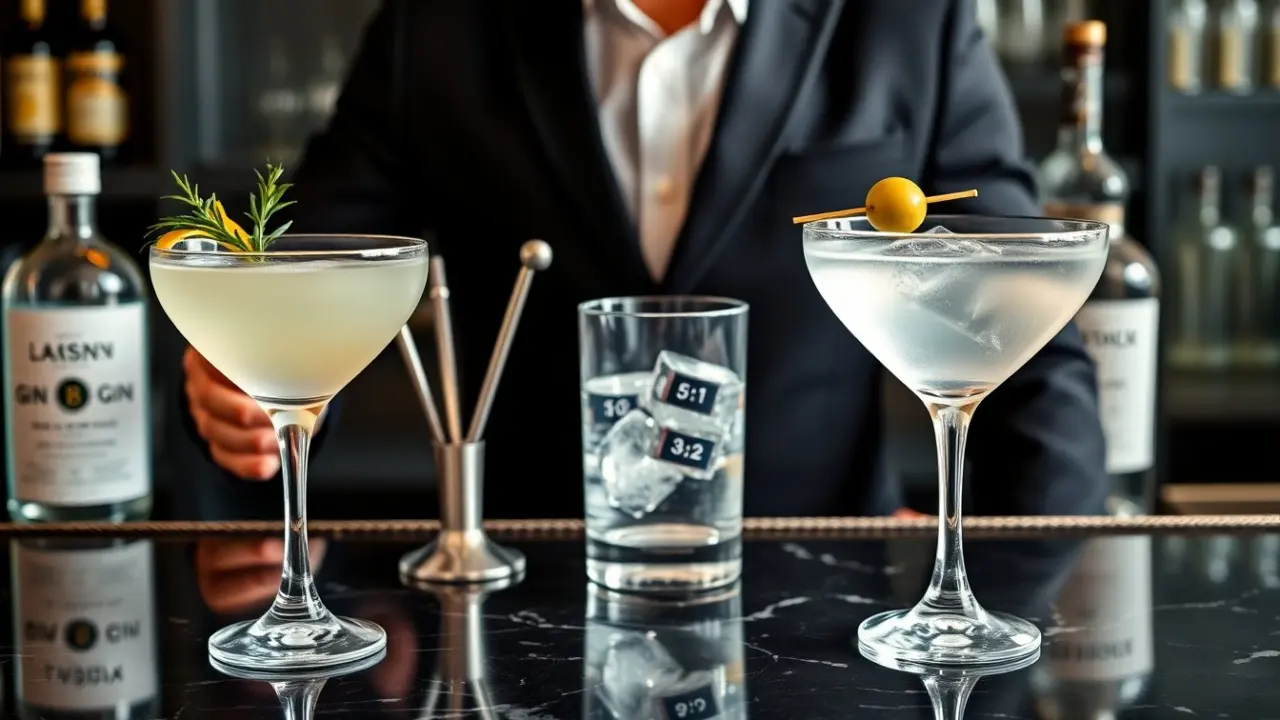
Gin vs vodka martini sits at the center of many drink debates. The writer lays out clear differences in taste, production, and service. The reader will learn how each martini tastes. The reader will learn how to mix each drink. The reader will learn when each cocktail fits an occasion.
Key Takeaways
- The gin vs vodka martini shows distinct flavor profiles, with gin offering complex botanical and aromatic notes, while vodka provides a smooth, neutral taste.
- Both martinis use similar ingredients and preparation steps, with variations in spirit-to-vermouth ratios influencing dryness and flavor intensity.
- Choosing between gin and vodka martinis depends on occasion, food pairings, and personal preference, with gin suiting bold, herbaceous dishes and vodka complementing lighter fare.
- Proper garnish, glassware, and preparation methods like stirring versus shaking impact the martini’s presentation and flavor balance.
- Storing vermouth properly and avoiding common mistakes like over-dilution or warm glasses enhance the overall martini experience.
- Seasonal preferences influence choice: gin suits cooler months with spicier notes, while vodka fits warmer seasons with its clean, crisp profile.
Flavor Profile And Aromatic Differences: What You’ll Actually Taste
Gin vs vodka martini shows wide contrast in taste and aroma. Gin offers botanical notes, and juniper leads the profile. The drink brings citrus, floral, and spice in many gins. The gin martini smells herbaceous. The gin martini tastes layered and complex. Vodka offers neutral aroma and a clean palate. The vodka martini smells faint or not at all. The vodka martini tastes smooth and direct.
To get more specific, consider common botanical families found in gin: juniper provides resinous pine-like notes; citrus peel contributes bright top notes; coriander and cardamom add spice and warmth; floral botanicals like orris root, chamomile, or elderflower create perfume-like layers. Different gin styles—London dry, Plymouth, New Western, barrel-aged—lean toward some of these botanicals more than others, and that choice changes how the martini reads on the nose and palate. By contrast, vodka is distilled to minimize congeners and aromatic compounds so that the spirit acts as a relatively blank canvas for vermouth and garnish.
Gin vs vodka martini yields different mouthfeel. Gin adds grip and texture from botanicals. Vodka keeps the texture light and silky. Gin highlights garnish flavors such as olive, lemon peel, or a sprig of herb. Vodka lets the garnish supply the main flavor cue.
Perception of strength also differs. Gin can feel stronger because botanicals activate taste receptors and create a lingering impression even at identical alcohol levels. Vodka can feel lighter while it carries the same alcohol by volume. Bartenders note that gin martinis show more aroma in the glass. Vodka martinis show cleaner lines and simpler scent. The drinker should choose based on whether they want aromatic depth or a neutral canvas.
Finally, vermouth plays a subtle but crucial role in both. Dry vermouth contributes herbaceous, floral, and sometimes slightly bitter elements that interact differently with gin’s botanicals than with vodka’s neutrality. The choice of vermouth—drier, brinier, or more aromatically sweet—will push a gin martini toward a more herbal or more floral direction, while the same vermouth will appear more restrained in a vodka martini.
Ingredients, Ratios, And Step‑By‑Step Preparation For Each Martini
Gin vs vodka martini requires only a few ingredients. For the gin martini, the classic ingredients are gin and dry vermouth. For the vodka martini, the classic ingredients are vodka and dry vermouth. The ratios vary by preference and tradition.
Common ratios follow this guide. The writer lists them as a simple set:
- Classic dry: 5 parts spirit to 1 part vermouth.
- Extra dry: 6 to 1 or 8 to 1 spirit to vermouth.
- Wet: 3 to 1 spirit to vermouth.
Gin vs vodka martini uses the same basic method. The writer describes clear steps for each.
Gin Martini: Step-by-step
- Chill a mixing glass and a martini glass. 2. Add ice to the mixing glass. 3. Pour 2.5 oz gin and 0.5 oz dry vermouth. 4. Stir gently for 20–30 seconds. 5. Strain into the chilled glass. 6. Add garnish.
Vodka Martini: Step-by-step
- Chill a mixing glass and a martini glass. 2. Add ice to the mixing glass. 3. Pour 2.5 oz vodka and 0.5 oz dry vermouth. 4. Stir gently for 20–30 seconds. 5. Strain into the chilled glass. 6. Add garnish.
Beyond these basics there are many small technique points that affect the final result. Use large, clear ice in the mixing glass to control dilution—smaller, cloudy ice melts faster and can over-dilute in the few dozen seconds it takes to stir. Keep your mixing glass and serving glass in the freezer or pour in a bit of ice water to chill them before assembling. Always taste as you tweak ratios: a splash more vermouth will round herbal edges in gin, while a hair less vermouth will make a vodka martini feel crisper.
Variations to try without changing the martini’s fundamental identity include: a “dirty” martini (add olive brine to the mix for savory saltiness), a Gibson (garnish with a cocktail onion for sweet-piquancy), and the Vesper-style approach (an alternate ratio and a mix of gin, vodka, and Kina-style aromatized wine—in practice a version made with dry aromatized wine). Some bartenders recommend a dash or two of orange or Peychaud’s bitters with gin to lift citrus or spice notes; bitters are less common with vodka but still useful for a tiny aromatic accent.
Practical technique notes: stirring rather than shaking preserves clarity and emphasizes texture; if you must shake (for show or preference) expect more dilution and a slightly frothier surface. Strain carefully to avoid chips of ice, and use a fine mesh if you want the cleanest presentation. Finish with a deliberate garnish technique: express lemon peel oils over the glass for a bright top note, or slide a brined olive onto a pick to add salinity and mouthfeel.
Practical Tips: Garnishes, Glassware, Stirring Vs Shaking, And Common Mistakes
Gin vs vodka martini demands correct garnish and service. The classic garnishes include green olive, lemon twist, or a cocktail onion for a Gibson. Glassware should be chilled and stemmed. The writer notes that a coupe or a classic martini glass works.
Garnish choice matters because it interacts with the spirit: a lemon twist brightens botanical gin notes, while an olive introduces savory brine that complements both gin botanicals and vodka’s neutrality. The timing of the garnish also matters—adding it immediately after pouring preserves aroma; leaving it to steep will alter flavor over time.
Stirring versus shaking creates a visible difference. Stirring chills and keeps the drink clear. Shaking chills more and adds tiny bubbles and dilution. Shaking also aerates and mutes some botanical notes in gin. The vodka martini accepts shaking more often because the spirit remains neutral.
Common mistakes appear often. The bartender should avoid warm glasses, over-dilution, and too much vermouth. The drinker should avoid using flavored vodkas that mask subtle vermouth. The home mixer should avoid poor ice that dilutes too fast. Gin vs vodka martini benefits from fresh vermouth and clean ice. The drinker should store vermouth in the fridge and use it within a month of opening.
Other practical errors include overworking the drink—stirring or shaking for too long adds unnecessary dilution—and neglecting glass cleanliness, which can trap odors and alter aroma. If serving multiple martinis, prepare them batch-style with measured ratios and chill the batch rather than shaking each one, which preserves consistency.
How To Choose: Occasion, Food Pairings, And Personal Preferences
Gin vs vodka martini fits different settings and menus. Gin martini fits moments that call for aromatic complexity. The gin martini pairs well with smoked fish, fatty tuna, and salty appetizers. The botanicals match herb-forward dishes and bold cheeses.
To be more concrete about pairings: gin martinis stand up to smoked salmon or trout, charcuterie with strongly flavored cured meats, olive-forward tapas, and herb-heavy canapés. The juniper, citrus, and spice in gin can cut through fattier flavors and act as a palate cleanser between rich bites. Gin also pairs well with Mediterranean and herbal profiles—think basil, oregano, rosemary, and thyme preparations.
Vodka vs gin martini fits moments that call for simplicity and a clean finish. The vodka martini pairs well with shellfish, light salads, and mild cheeses. The neutral profile lets delicate flavors stand out.
Vodka martinis are an excellent match for oysters, steamed shrimp, lightly dressed salads, sashimi, or subtly seasoned white fish where a non-competitive beverage is desired. Because vodka provides minimal aromatic interference, it highlights subtle texture and seasoning on the plate rather than competing with it.
Gin vs vodka martini also depends on mood and tolerance. The gin drinker may enjoy sensory richness and layered tastes. The vodka drinker may value a direct, cool sip with little interference. The host should match the martini to food and guest preference.
Practical selection rules remain simple. For a menu with strong flavors, pick gin. For a menu with light flavors, pick vodka. For an adventurous guest, offer a gin martini with a lemon twist. For a guest who prefers a safer choice, offer a vodka martini with a green olive.
Season and atmosphere influence choice as well. Gin tends to feel comforting in cooler weather when its spice and herb notes complement seasonal dishes; vodka’s crispness and perceived coolness are particularly refreshing in warmer months or outdoor settings. Ultimately, both martinis deserve a place in a thoughtful bar program: provide clear options, explain the differences to guests, and offer a small taste if someone is deciding—firsthand experience is often the best guide.