What drinks to order at a bar matters for taste and comfort. This guide lists safe, tasty options for different skill levels and moods. It helps readers pick drinks that match their flavor preference and alcohol tolerance. It avoids jargon and gives clear choices. It aims to make the next bar visit easier and more enjoyable for anyone who wants a good drink.
Key Takeaways
- Beginners should start with simple, low-risk drinks like gin and tonic, vodka soda, or beer to enjoy flavors without strong alcohol.
- Classic cocktails such as whiskey, vodka, gin, and rum drinks reveal a bar’s quality and provide reliable, enjoyable experiences.
- Low-alcohol options like wine spritzers, session beers, and nonalcoholic cocktails help control alcohol intake while keeping taste pleasant.
- When ordering drinks at a bar, clearly state your base spirit, preferred strength, and flavor preferences to get better, faster service.
- Asking the bartender for recommendations based on drinks you like ensures you find drinks that suit your taste and comfort level.
Drinks For Beginners: Simple, Low-Risk Choices
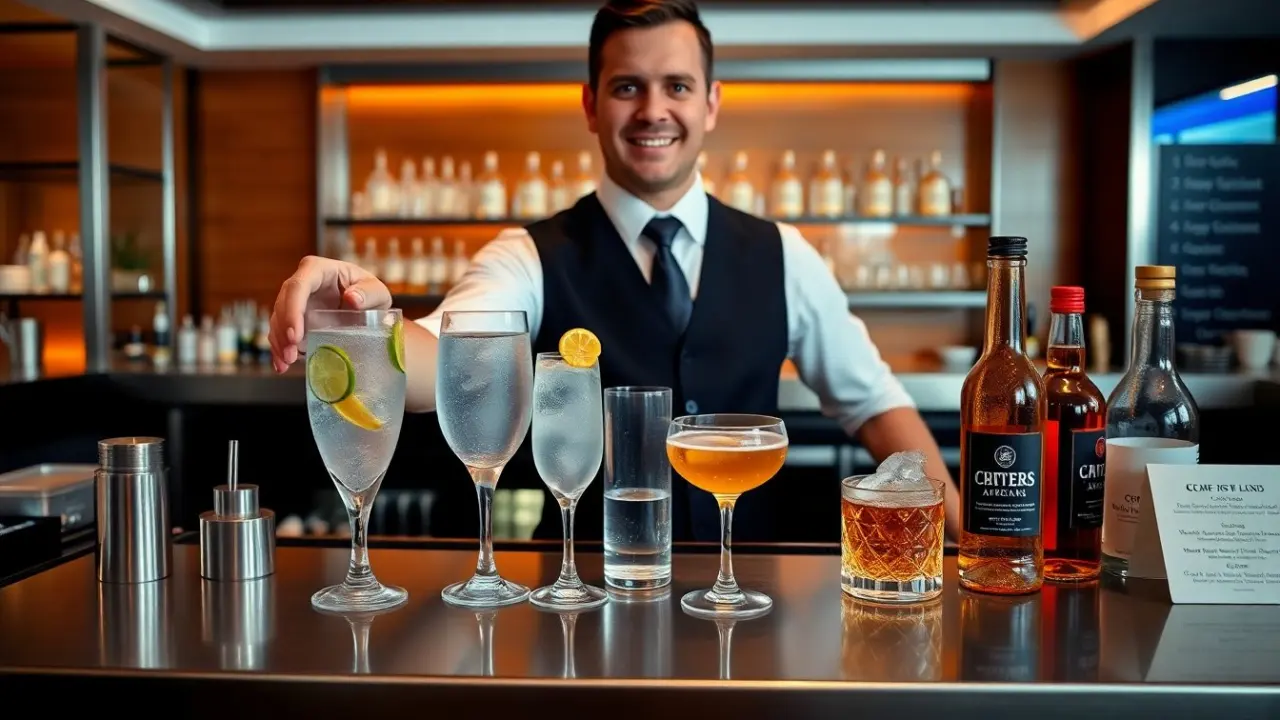
Beginners who ask what drinks to order at a bar should start with low-risk options. A gin and tonic mixes gin, tonic, and lime. It tastes bright and stays light. A vodka soda pairs vodka with soda water and lemon. It keeps calories low and flavors mild. A rum and cola gives sweet, familiar taste with little mixing. A beer or cider gives a single-ingredient experience. A spritz blends sparkling wine, soda, and a splash of liqueur for low alcohol and easy flavor. These choices let newcomers learn preferences without strong alcohol or strange flavors.
Practical tips: ask for the spirit you prefer and request “light on the spirit” if you want a milder drink. Choose a long pour or a short pour depending on whether you want something sippable (longer, more mixer) or something shorter and stronger (short pour, less mixer). If unsure about brands, say “house gin” or “house vodka” — the bar’s standard will usually be fine. Consider ordering a beer in familiar styles first (lager, pale ale, wheat) to identify the level of bitterness or malt you enjoy before exploring mixed drinks.
Classic Cocktails Every Bar Should Make
Bartenders often expect patrons to ask what drinks to order at a bar. Classic cocktails show technique and balance. They also reveal a bar’s quality quickly. The following classics cover whiskey, vodka, gin, and rum. Each recipe uses few ingredients. Each drink tests the bar’s ice, glassware, and spirit selection. Choosing one of these gives a reliable and enjoyable experience at most counters.
Examples and what to look for:
- Old Fashioned (whiskey, sugar, bitters): a properly made version highlights the spirit with a balanced sweetness and gentle dilution; served over a large ice cube.
- Negroni (gin, sweet vermouth, Campari): should be bitter and herbal with equal parts and a clear orange twist; a good test of vermouth freshness.
- Martini (gin or vodka, dry vermouth): dry, stirred or shaken to preference; ice temperature and glass chilling affect texture.
- Daiquiri (rum, lime, sugar): a true daiquiri is bright and balanced, not slushy; shows how a bar handles citrus and simple syrup.
If a bar clearly struggles with one of these, it may be worth choosing simpler drinks there. Conversely, a bar that nails classics is often a good place to try more creative, house-specific cocktails. When ordering a classic, you can ask for small variations—”slightly less sweet” on a daiquiri, “extra bitter” on a Negroni—to tailor the drink without confusing the bartender.
Low-Alcohol And Lighter Options
Low-alcohol choices help people drink longer with less effect. A wine spritzer mixes wine and soda water. It halves the alcohol per glass. Low-ABV cocktails such as a sherry cobbler blend fortified wine with fruit and ice. Session beers stay lower in alcohol and taste varied. Hard seltzers give crisp flavor with modest alcohol. A No- and Low-alcohol cocktail can use seedlip or nonalcoholic spirits with fresh citrus. Customers who ask what drinks to order at a bar to control intake find these options useful and pleasant.
Ways to keep it lighter: ask for a “half measure” of spirit, order a shorter cocktail served with extra soda, or choose drinks served over ice that melt slightly and dilute. Consider food pairings: lighter, acidic drinks pair well with seafood or salads, while low-ABV fortified wines or a small glass of beer can be a good match for richer appetizers. Don’t be shy about asking if the bar offers “zero-proof” cocktails or bottled nonalcoholic beers — many places now list these on the menu.
How To Order Like A Pro: Tips For Getting What You Want
Customers who ask what drinks to order at a bar can improve results with a few habits. State the base spirit first. Say preferred strength next, for example: light, standard, or strong. Mention flavor cues such as sweet, bitter, or citrus. Ask the bartender for a recommendation by naming one liked drink. Use simple requests like “less sweet” or “more lime.” Tip appropriately when service is good. If the bar uses house syrups or infusions, ask briefly about them. Clear, direct requests get better drinks and faster service.
Additional ordering tips: be concise during busy periods — one or two specific sentences works best. If you have allergies or ingredient preferences (e.g., no coconut, gluten-free), state them up front. Watch how long a drink takes: a properly mixed cocktail shouldn’t be rushed, but if a complex drink is delayed, politely ask for an update. If you want to learn, ask the bartender one focused question like “What’s a gin cocktail with citrus you recommend?” Most bartenders appreciate curious, respectful customers and will happily suggest something tailored to your taste.