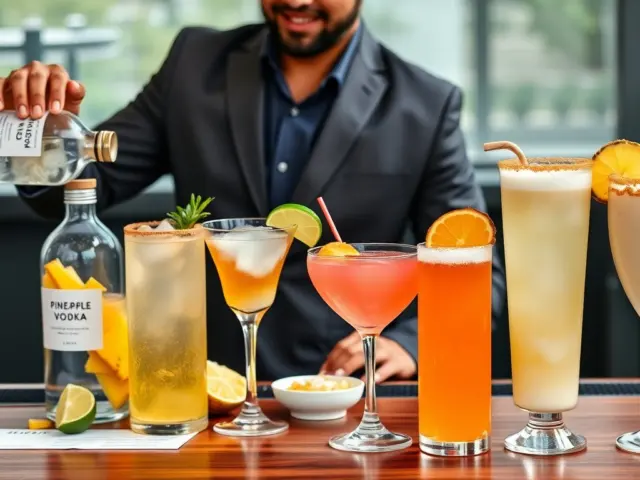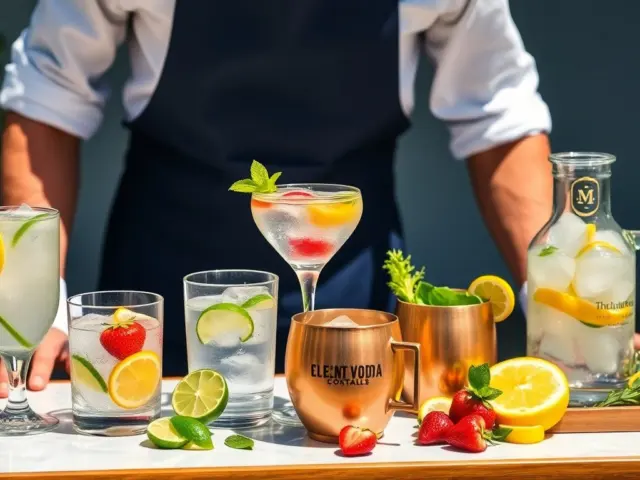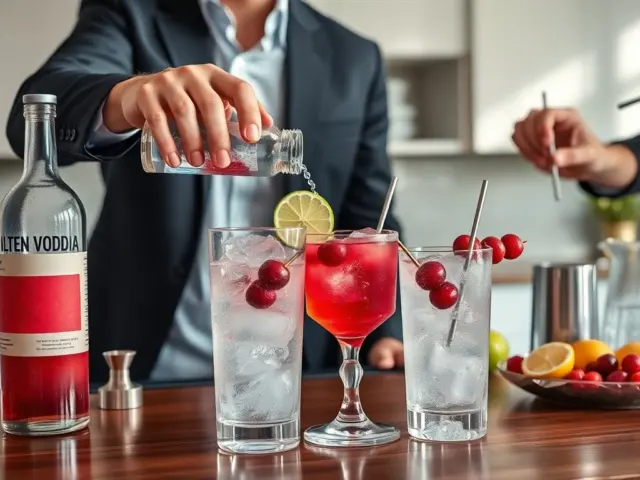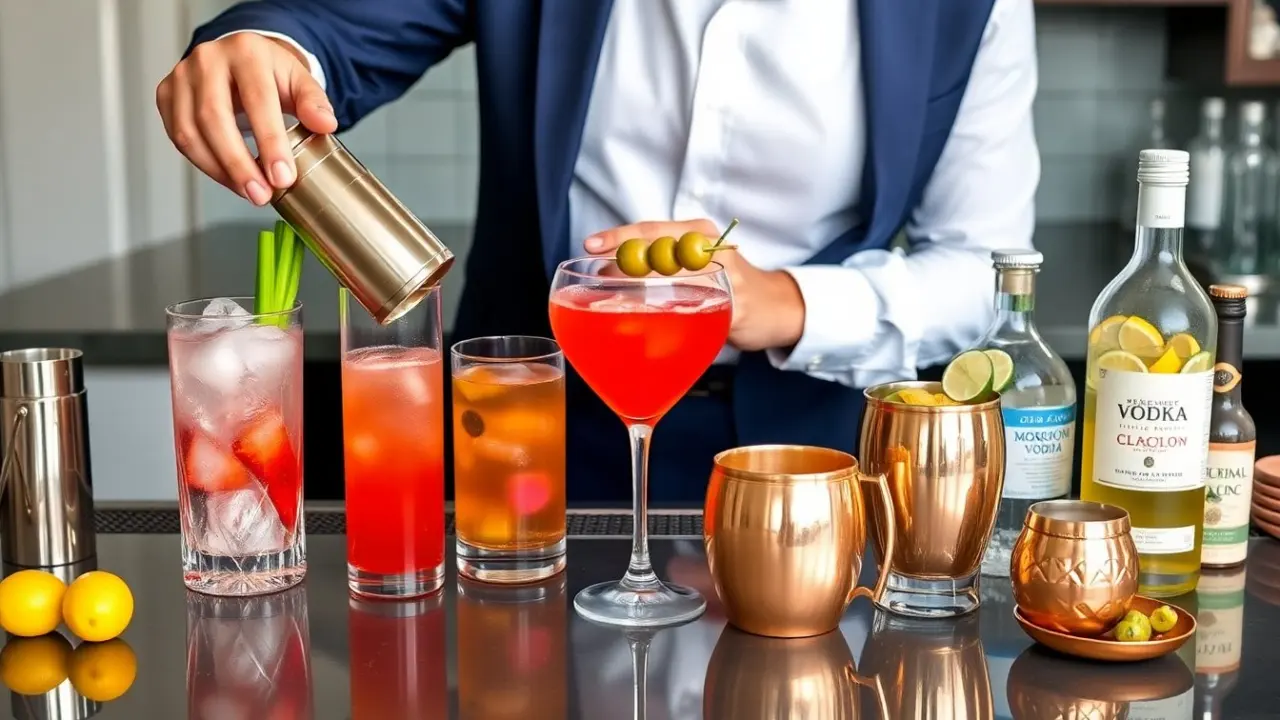
Popular vodka mixed drinks appear on many home and bar menus. They offer simple recipes and clear flavors. The list below shows classic and new mixes. It helps anyone build a small, useful drink list. The guide gives measurements, glassware, and quick tips for better results.
Key Takeaways
- Popular vodka mixed drinks often feature clean, neutral vodka paired with citrus, fruit juices, or savory mixers for balanced flavor.
- Classic vodka cocktails like the Bloody Mary, Moscow Mule, and Vodka Martini provide versatile options for brunch, parties, and elegant gatherings.
- Using fresh ingredients, proper measuring tools, and chilled glassware enhances the taste and presentation of vodka drinks.
- Fruity vodka mixers with juices like cranberry and pineapple work well for parties and can be lightened with soda water for balance.
- Low-calorie vodka drinks, such as vodka sodas with fresh citrus, offer healthier options without sacrificing flavor.
- Batching cocktails like Moscow Mules in advance simplifies serving at medium-sized gatherings.
Vodka Basics: What To Know Before You Mix
Vodka comes in many styles and price points. A bartender recommends neutral, clean vodka for most popular vodka mixed drinks. A home host should keep one midrange bottle and one flavored bottle. Vodka mixes match citrus, ginger, tomato, and fruit juices. A colder vodka tastes smoother. A shaker chills ingredients fast. A glass with ice keeps a drink cold longer. They should use fresh juice when possible. They should measure with a jigger for consistent results.
Beyond brand and flavoring, consider proof and filtration. Higher‑proof vodka can carry more aromatics but will raise alcohol intensity; lower‑proof options feel softer and are easier to sip. Filtration and base ingredients (grain, potato, or corn) subtly influence mouthfeel and aroma, which matters in very simple drinks like a vodka soda or martini. Store bottles upright in a cool, dark place to preserve character, and avoid over‑diluting — water and ice affect texture and taste.
Essential tools and glassware are straightforward: a jigger for accurate pours, a shaker for citrus and dairy‑forward recipes, a stirring glass and bar spoon for spirit‑forward cocktails, and strainers to keep texture clean. For fresh‑juice cocktails, a small citrus press and fine strainer will improve clarity and remove unwanted pulp. Finally, think about pacing: plan batches for larger groups, have garnishes prepped, and keep a working cooler or ice bucket available for quick service.
Classic Vodka Cocktails To Master At Home
A few classic recipes form the backbone of popular vodka mixed drinks. They work for beginners and hosts. A person should learn base ratios and garnish ideas. The next three recipes cover brunch, party, and minimalist styles. Each recipe uses common ingredients and simple steps. They can scale recipes for small or larger groups.
When practicing these classics, focus on balance: acidity, sweetness, carbonation, and alcohol weight. Taste as you go and adjust small amounts of citrus, mixer, or ice. Learning three or four reliable drinks means you can satisfy most guests — offer one savory, one fizzy/fruity, and one spirit‑forward option to cover common preferences. Keep basic garnishes (citrus wheels, olives, celery, and fresh herbs) on hand — they elevate appearance and aroma with minimal effort.
Bloody Mary — The Ultimate Brunch Vodka Cocktail
A Bloody Mary mixes vodka with tomato juice and savory spices. A typical recipe uses 2 oz vodka, 4 oz tomato juice, 1/2 oz lemon juice, Worcestershire, hot sauce, salt, and pepper. A bartender stirs gently and serves over ice in a highball glass. A celery stalk or pickle makes a classic garnish. A host can add bacon or shrimp for a showy version. Many people favor Bloody Mary when they want a savory, filling drink at brunch.
Variations and tips: for a smoother texture, strain the mix through a fine sieve; for extra heat, infuse vodka with chiles and strain before building. Adjust savory elements (horseradish, smoked paprika, or clamato) to fit the menu — a spicier profile pairs well with heavier brunch dishes. For batching, combine the non‑alcoholic components and refrigerate; add vodka and ice only when serving to keep flavors bright. Offer a range of garnishes so guests can personalize their drink.
Moscow Mule — Refreshing, Fizzy, And Crowd‑Friendly
A Moscow Mule combines vodka, lime, and ginger beer. A standard ratio uses 2 oz vodka and 1/2 oz lime juice topped with 4 to 6 oz ginger beer. A copper mug fits tradition and keeps the drink cold. A bartender often adds a lime wheel for garnish. A host can batch Moscow Mules by mixing vodka and lime ahead and adding ginger beer before serving. This approach helps when they host a medium-sized group.
Choose a ginger beer (not ginger ale) with fresh ginger flavor and moderate sweetness to balance the vodka. For a slightly different profile, add a splash of elderflower liqueur or muddled cucumber for a bright, summery Mule. If serving a crowd, pre-mix vodka and lime in a pitcher, keep chilled, and top each portion with chilled ginger beer to preserve carbonation. Serve over lots of ice and provide reusable straws or chilled stirrers for convenience.
Vodka Martini — Clean, Chilled, And Customizable
A Vodka Martini stays simple and elegant. A recipe commonly uses 2.5 oz vodka and 1/2 oz dry vermouth stirred with ice and strained into a chilled martini glass. A person can swap ratios to taste. A dirty martini adds olive brine. A lemon twist or three olives finishes the drink. A bartender advises using cold glassware and good-quality vodka for the best texture. A Martini shows how a few ingredients can define popular vodka mixed drinks.
Technique matters: stirring keeps the drink clear and silky, while shaking aerates and slightly dilutes the cocktail, producing a colder, cloudier result. Experiment with vermouth levels — a rinse, a splash, or none at all — to find your preferred balance. Consider pairing martinis with salty canapés; the drink’s clean profile complements savory bites. For entertaining, offer both a classic and a dirty martini so guests can choose their intensity and salinity.
Fruity And Sweet Vodka Mixers For Parties
Fruity mixes expand the range of popular vodka mixed drinks at parties. A simple option mixes vodka with cranberry and orange juice for a Sea Breeze variation. A vodka and pineapple blend makes a tropical punch. A host can add soda water to lighten sweetness. A pitcher recipe for a party uses 1 part vodka to 3 parts juice and fresh fruit slices. A person should chill the mix and add ice only at service time. They should taste and adjust sugar or citrus before serving.
Batching tips and crowd ideas: build a punch bowl with a base of vodka, assorted juices (cranberry, pineapple, and orange), and a little citrus to keep it bright. Provide a carbonated option (club soda or ginger beer) on the side so guests can top their own drinks and control sweetness. For visual appeal, float citrus wheels, berries, and mint; for flavor depth, macerate fruit in a little sugar ahead of time. Keep non‑alcoholic versions by omitting vodka and offering the same mixers so guests can select freely.
Low‑Calorie And Light Vodka Options (Better For Health-Conscious Guests)
Low-calorie vodka drinks let guests enjoy popular vodka mixed drinks with less sugar. A common swap replaces juice with soda water and a squeeze of citrus. A vodka soda uses 2 oz vodka, soda water, and a lime wedge. A splash of diet tonic works for tonic lovers. A host can use low-calorie flavored vodkas for added aroma without sugar. A bartender suggests using fresh lime or grapefruit for bright flavor. They should keep portions measured to control calories.
Other light options include using sparkling water with a few crushed berries and a sprig of herb for aroma, or preparing small, spirit-forward pours like a dry martini for lower overall intake. To reduce calories in sweeter cocktails, substitute natural zero‑calorie sweeteners sparingly, or cut juice with plain carbonated water. When serving health‑conscious guests, label lighter choices clearly and offer fruit or herb garnishes to make the drinks feel special without adding sugar.