How to become a bartender starts with clear steps and honest effort. The guide shows each step an aspiring bartender must follow. It lists duties, training, skills, and job strategies. It keeps language simple and action-focused. It helps readers move from interest to hireable skill. It prepares them for real bar work and real hiring processes. Below are practical details, common mistakes to avoid, and step-by-step actions that make the path from beginner to reliable bartender achievable.
Key Takeaways
- Becoming a bartender starts with learning the core duties such as mixing drinks, managing cash, and enforcing alcohol policies across various bar settings.
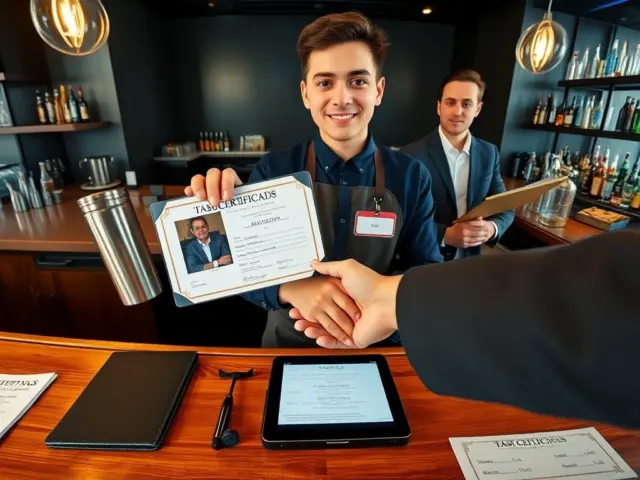
- Obtain necessary legal certifications like server permits and alcohol awareness certificates to meet local laws and improve hiring chances.
- Gain practical experience through barback shifts, volunteer events, and practicing drink recipes to build speed and customer service skills.
- Master essential skills including memorizing standard recipes, developing fast and safe pouring techniques, handling money accurately, and delivering clear customer service.
- Create a focused resume highlighting relevant experience and certifications, apply in person, and demonstrate eagerness and reliability to land your first bartending job.
- Build a professional network by connecting with managers and peers, pursue promotions, and plan for career growth into advanced roles or related fields like beverage consulting.
What Bartenders Actually Do And The Different Work Settings
A bartender mixes drinks, serves customers, and manages the bar area. A bartender checks IDs and enforces alcohol rules. A bartender cleans glassware and restocks supplies. A bartender handles cash and card payments and balances the till. Beyond those basics, bartenders monitor guest intoxication, coordinate with security and kitchen staff, and manage opening and closing checklists that keep service consistent.
Bars vary by pace and format. A neighborhood bar serves regulars and moves at a steady pace. A cocktail bar focuses on craft drinks and long recipes. A nightclub handles large crowds and fast service during peak hours. A hotel bar serves travelers and works with other hotel staff. Each environment sets expectations for appearance, speed, and drink knowledge: cocktail bars expect precision and presentation, nightclubs expect speed and crowd control, and restaurants require smooth coordination with food service.
A mobile bartender works events and brings supplies. A restaurant bartender coordinates with kitchen staff and follows menu timing. Each setting asks for different skills. A person should match their strengths to a setting when they learn how to become a bartender. When choosing where to apply, consider shift hours, expected tips vs salary, training opportunities, and the typical clientele to find a good fit.
Common day-to-day tasks that often go unnoticed include inventory checks, placing supply orders, calibrating equipment (ice machines, draft lines), and maintaining compliance paperwork. Developing competence in these areas improves reliability and opens paths to supervisory roles.
Training, Certifications, And Legal Requirements
A person should check local laws before they serve alcohol. States and cities set age limits and training rules. Many areas require a server permit or alcohol awareness certificate. A candidate should take an approved course and pass the test. A clean background and legal working papers speed hiring.
Formal bartending courses teach drink recipes, pouring techniques, and safety. A short certificate course gives a credential for resumes. Employers value hands-on practice over long diplomas for most entry roles. A person who studies how to become a bartender should include both classroom work and practical shifts. Look for courses that include responsible service training, basic spirits education, and hands-on buildup of standard cocktails.
Some employers ask for food safety or first aid certificates. A person should keep records of certifications and renewal dates. A person should renew permits as laws or job needs change. Keep physical or digital copies of licenses and certificates to present at interviews or to managers during hiring.
Getting Practice: Barbacking, Volunteer Shifts, And Practice Routines
A barback supports the bartender and learns the flow. A barback stocks ice, refills garnishes, and clears glassware. A person should take barback shifts to build speed and stamina. A person should practice common drink recipes at home and time each build. A person should volunteer at small events to gain service experience. A person should ask for feedback after shifts and adjust their technique. These steps help someone who wants to know how to become a bartender gain practical skill.
Practical practice routines that help accelerate learning include: setting a playlist and timing yourself making batches of 10–20 basic drinks; practicing garnish preparation and mise en place for common shifts; and role-playing customer interactions to refine upselling and complaint handling. Keep a simple log of drills and improvements to show growth to potential employers.
When barbacking, focus on anticipation: learn which products run out first, how to rotate stock to avoid spoilage, and the quickest routes to support multiple bartenders. This anticipation skill transfers directly to bartending and is often what managers notice first when considering someone for promotion.
Essential Skills: Drinks, Speed, Customer Service, And Money Handling
A bartender must learn standard recipes and basic ratios. A bartender must memorize common spirits, liqueurs, and mixers. A person should master the top 20 cocktail recipes first. A person should learn simple variations and substitutions. Understanding why a recipe works (balance of sweet, sour, spirit) helps when asked to customize orders.
A bartender must build physical speed. A bartender must move safely and avoid spills. A person should train to pour a set number of drinks per minute without errors. A person should practice bottling grips and shaking technique to reduce fatigue. Learn efficient workstation layout: tools, frequently used bottles, and glassware positioned to minimize movement.
A bartender must provide clear service. A bartender greets customers, takes orders, and answers questions. A person should read a table and match tone to the group. A person should handle complaints calmly and offer clear solutions. Helpful techniques include repeating orders back for clarity, offering concise recommendations, and using a friendly, confident tone to build rapport quickly.
A bartender must manage money accurately. A bartender records tabs, closes checks, and gives correct change. A person should learn point-of-sale systems and basic math for tips and splits. A person should keep receipts and report cash differences. Best practices include counting down the till at shift start and end, logging tips separately if required by your employer, and using a simple checklist to reconcile sales.
A person preparing to know how to become a bartender should combine these skills into shift routines. A trainer should test them under time pressure and real orders. Repetition builds reliable speed and steady service. Simulated rush drills, timed ticket queues, and pairing with experienced bartenders for shadow shifts are effective ways to build confidence before running a full bar station alone.
How To Land Your First Job, Build A Network, And Grow Your Career
A job seeker should craft a short resume that shows relevant shifts and certificates. A resume should include barback work, volunteer events, and training. A person should attach a clear availability schedule and references from supervisors. Tailor the resume to each job: highlight cocktail experience for craft bars and high-volume service for nightclubs.
A candidate should apply in person during slow hours. A candidate should bring a resume, dress neatly, and offer to do a trial shift. A candidate should explain why they want to work there and which skills they offer. A person who wants to know how to become a bartender should show eagerness and reliability. In interviews or trial shifts, emphasize punctuality, teamwork, and willingness to learn rather than overstating experience.
A bartender should build a network by meeting managers and peers. A bartender should join local service groups and attend trade events. A bartender should follow local bars on social media and comment on job posts. A person should keep contacts and check in after busy seasons. Useful networking actions include asking for short informational chats, offering to cover shifts in a pinch, and exchanging contact details with other service staff.
A bartender should track performance and set goals. A bartender should seek a promotion to head bartender or manager after they show consistent work. A bartender should learn inventory control and staff scheduling to qualify for lead roles. A person who practices tips and continues training increases their pay and options. Keep a simple career log of completed trainings, major shifts worked, and performance notes to support promotion conversations.
A bartender can also move into event services, beverage consulting, or beverage buying. A person should plan a clear path and build skills that match the next step. This plan helps a person who asks how to become a bartender grow beyond entry work. Consider building a portfolio of menus or events you worked on, and continue studying trends in spirits, sustainability in sourcing, and beverage cost management to broaden career opportunities.