Craft vodka cocktails come from measured specs, balanced acid and sweetness, and deliberate dilution rather than expensive bottles. Start with exact ounces, pick a vodka style that suits the drink, and change one variable at a time.
This guide sits under our wider collection of vodka cocktails and focuses on technique: why precise measures matter, which tools earn a place, and how to tune five recipes to your own taste.
What makes a vodka cocktail craft quality
A vodka cocktail reaches craft quality when every component is measured and each one has a job. Vodka supplies the alcohol and little else, so the acid, sweetener, mixer and garnish decide the character. Cocktail writer Heather Christo puts it this way: vodka allows the flavor of the fruits and vegetables it accompanies to really shine. That is an opinion, but it matches how the recipes below are built: the fruit, herb or coffee element carries the flavor and the vodka stays in support.
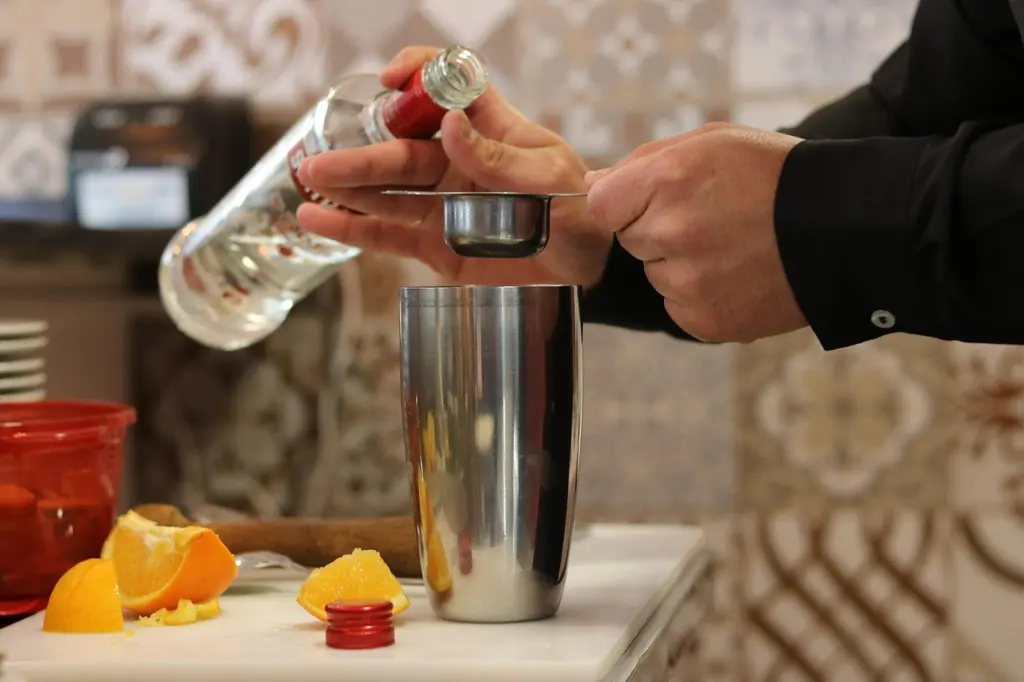
Four stages explain most of the difference between a casual pour and a considered drink:
- Fix the spec. Published recipes measure down to fractions of an ounce. A listed Vodka Smash calls for 0.75 oz simple syrup against 1.25 oz lime, a proportion that free-pouring rarely repeats.
- Balance spirit, acid and sweetness. Each ingredient has a measured share, so changing one shifts the whole drink. Adjust a single element per attempt and you can taste what the change did.
- Count the cold and the fizz. Ice and toppings belong in the spec. The listed Vodka Martini includes 10 oz of ice, and the Smash includes 3.5 oz of club soda, so both dilution and chill are planned ingredients.
- Finish with intent. A garnish such as olives or mint is part of the recipe rather than decoration added at the end.
Those stages depend on having the right kit to hit the numbers, which is the next decision.
Tools for a home bar
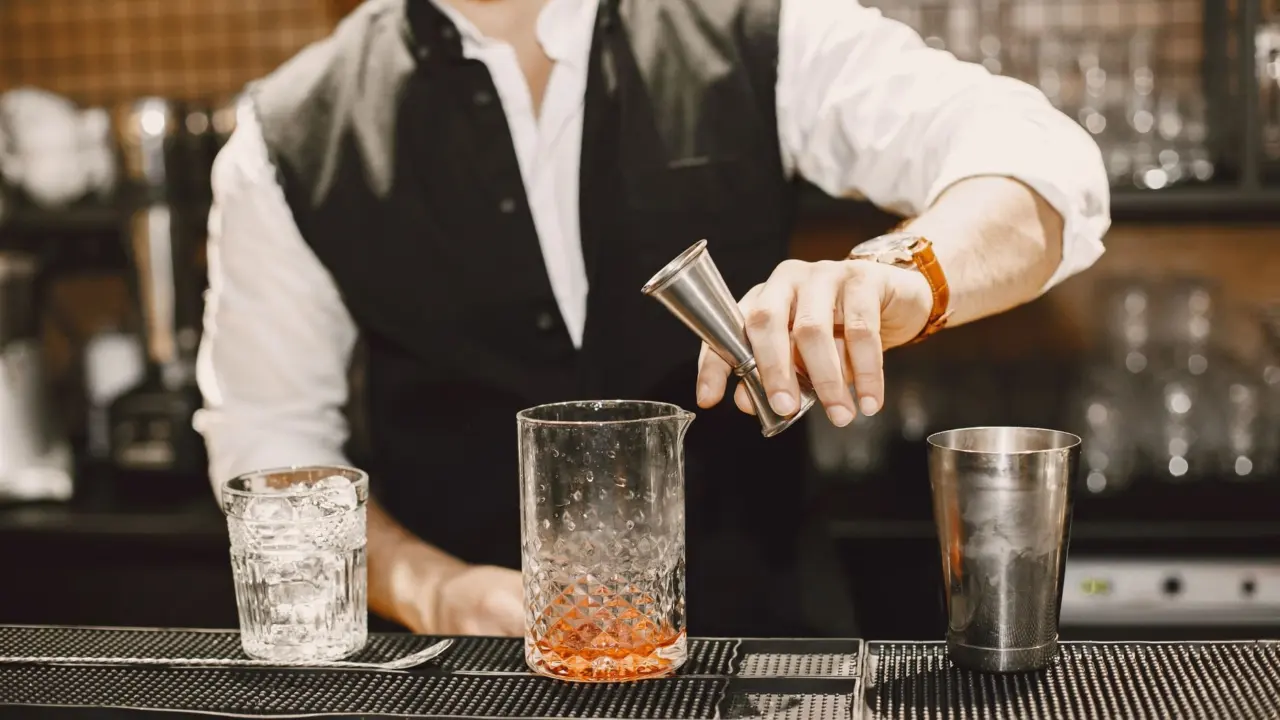
A shaker, a jigger, a strainer and a bar spoon cover every recipe in this guide. The jigger matters most for craft results, because the specs rely on exact measures. Some recipes call for very small amounts, such as 0.15 oz vanilla syrup in a listed Espresso Martini or 0.35 oz simple syrup in a Vodka with Mint Tea. A jigger with fine internal markings, or a bar spoon used as a small measure, makes those amounts practical.
The shaker is the other core item. Retailers such as Elevated Craft sell a hybrid cocktail shaker and group shakers with spoons in one category, a reasonable signal that the two tools are meant to be bought together. For a first kit, buy a shaker and a jigger before anything else, then add the spoon and strainer as your repertoire grows. If you mostly make long drinks such as the mule or the smash, the jigger and a glass matter more than a full set of accessories.
Vodka styles and how they shape a drink
Choose the vodka style by the flavor the drink already wants, not by label. Western Son’s own drinks list shows the range: Original, lemon, grapefruit, peach, strawberry and prickly pear vodkas appear across its cocktails. An Original vodka behaves as a quiet supporting spirit. A flavored vodka adds a fruit note that the rest of the recipe can build on, which shortens the ingredient list.
| Vodka style | Drink using it | Vodka measure | Planning use |
|---|---|---|---|
| Original | Rosé Vesper, with 2 oz gin and 1 oz Lillet Rose | 1 oz | Supporting spirit in a spirit-forward drink |
| Strawberry | Boots n’ Berry Fizz, with 1 oz elderflower liqueur, 0.5 oz lemon juice, 0.5 oz simple syrup and 4 oz club soda | 2 oz | Fruit-led long drink for a crowd |
| Grapefruit | Rosy Cheeks, with grapefruit, cranberry and lime juices and club soda | 1.5 oz | Bright, tart drink where citrus does the work |
| Peach | Peach Mule, with ginger beer and half a lemon | 2 oz | Easy build when ginger beer is on hand |
| Prickly pear | Prickly Pear Spritz, with 0.5 oz Aperol and prosecco | 1.5 oz | Light, sparkling aperitif style |
These specs come from the Western Son Distillery drinks list, where the vodka measure ranges from 1 oz to 2 oz depending on how many other ingredients share the glass.
For a home bar, one neutral vodka plus one flavored bottle that matches the drinks you make most often is enough. A lemon vodka is also listed in that range if citrus drinks are your default.
Five recipes with exact measures
These five recipes cover a stirred classic, a muddled long drink, a coffee cocktail, a juice-driven fizz and a mule. Measures are in ounces and come from the distillery and recipe listings named in each entry.
Vodka Martini
A listed Vodka Martini uses 2.5 oz vodka, 0.5 oz dry vermouth, green olives and 10 oz of ice. Chill the vodka and vermouth with the ice, strain, and garnish with the olives. The vermouth is a small share of the drink, so the vodka’s character stays front and center. Choose this when you want a spirit-forward drink and a clean vodka you enjoy on its own.
Vodka Smash
The Inshaker Vodka Smash combines 1.5 oz vodka, 0.75 oz simple syrup, 1.25 oz lime, 0.15 oz mint and 3.5 oz club soda. The lime outweighs the syrup, which gives a tart, refreshing drink. Muddling the mint lightly is a sensible way to release its aroma, and the club soda goes in last. It suits warm evenings and guests who prefer long drinks.
Espresso Martini
The listed Espresso Martini on the same site is built on 1 oz vodka, 0.5 oz coffee liqueur, 0.15 oz vanilla syrup and 1.5 oz espresso coffee. Here the vodka is the smallest component by volume, which shows how much a flavor-led recipe leans on its other ingredients. Make it with freshly brewed espresso and keep the vanilla syrup to the small measure given.
Rosy Cheeks
Western Son’s Rosy Cheeks uses 1.5 oz grapefruit vodka, 1 oz simple syrup, 0.5 oz grapefruit juice, 0.5 oz cranberry juice and 0.5 oz lime juice, topped with club soda. The three juices are measured equally, so none dominates, and the syrup rounds off the tartness. It works well when you want a pink, fruity drink without a liqueur.
Peach Mule
The distillery’s Peach Mule is 2 oz peach vodka, topped with ginger beer and finished with 0.5 lemon. It is the simplest build here: pour, top and squeeze. If you prefer the lime-led original, see our moscow mule recipe, and treat this version as a fruit-forward variation.
Adjusting sweetness and strength
Change sweetness and strength by comparing your drink with the proportions in these specs, then move one ingredient at a time. The recipes show how different styles balance themselves.
- Sweetness follows the acid. The Vodka Smash pairs 0.75 oz syrup with 1.25 oz lime, while Rosy Cheeks pairs 1 oz syrup with three 0.5 oz juices. The Vodka with Mint Tea uses only 0.35 oz simple syrup alongside 0.5 oz lemon juice and 5 oz green iced tea. If your drink tastes sharp, add syrup in small steps; if it is cloying, increase the citrus rather than removing syrup.
- Strength follows the format. A spirit-forward martini carries 2.5 oz vodka against 0.5 oz vermouth. Long drinks stretch a smaller pour: the Mint Tea recipe uses 1.5 oz vodka with 5 oz tea, and the Smash uses the same 1.5 oz with 3.5 oz club soda. For a lighter glass, choose a long format or a spritz rather than shrinking a martini.
- Liqueur can replace some vodka. The Espresso Martini uses only 1 oz vodka because coffee liqueur and espresso contribute the body. The Prickly Pear Spritz adds 0.5 oz Aperol and prosecco to 1.5 oz vodka for a similar effect.
Specs come from Inshaker’s recipe listings and the Western Son drinks list. Treat them as starting points to adjust, not rules. Taste before serving, and write down the change that improved the drink.
Citrus, herbs and garnish
Citrus
Citrus supplies the acid in nearly every recipe above: lime in the Smash and Rosy Cheeks, lemon in the Mint Tea and Boots n’ Berry Fizz, and grapefruit in Rosy Cheeks. Keep lemons, limes and a grapefruit on hand, because the measures run from 0.5 oz juice to a half lemon squeezed over a mule. The Western Paloma shows grapefruit juice at 2 oz with 1 oz grapefruit vodka and 1 oz silver tequila, finished with a salt rim, a useful template for guests who like a split base.
Herbs and garnish
Herbs are used sparingly. Mint appears at 0.15 oz in both the Vodka Smash and the Vodka with Mint Tea, so a small amount is enough to flavor the drink. Garnish can be a finishing step with real purpose: the Western Negroni, which uses 1 oz gin, 1 oz sweet vermouth and 1 oz Campari, is finished with an orange garnish. For more ways to dress a glass, browse Cocktail Garnish Ideas: 25 Simple, Stylish Picks To Elevate Any Drink in 2026 – Welovewodka.
Frequently asked questions
How much vermouth goes in a vodka martini?
The listed Vodka Martini on Inshaker pairs 2.5 oz vodka with 0.5 oz dry vermouth, roughly 5:1 by volume. That is one published spec, not a fixed rule, so adjust the vermouth to taste. Sweet vermouth plays a bigger part in Western Son’s Negroni, where it takes an equal 1 oz share with the gin and Campari.
Can honey replace simple syrup?
Yes. Western Son’s Nice N’ Easy sweetens 1.5 oz grapefruit vodka with 1 oz honey and 0.5 oz lemon juice, topped with club soda, as listed on its drinks page. Honey changes the flavor as well as the sweetness, so start with the same measure and taste before adding more.
Do craft vodka cocktails always use vodka alone?
No. The Western Paloma splits its base between 1 oz grapefruit vodka and 1 oz silver tequila, and the Rosé Vesper mixes 2 oz gin with 1 oz Original vodka and 1 oz Lillet Rose, per the distillery’s list. Using vodka as a partner spirit is a reliable way to soften a stronger base.