Blue vodka cocktails get their colour from blue curaçao, an orange liqueur, poured with clear vodka. The blue is decorative, so the drink tastes of orange and whatever else goes in the glass. Cut other sweeteners to keep it balanced.
Use this guide to choose a recipe and adjust it. For the wider range of drinks, start with our overview of vodka cocktails. To see how blue drinks sit beside the classics, read The 7 Best Vodka Cocktails To Know In 2026 (Easy Recipes + When To Serve Them) – Welovewodka.
What “blue vodka” means in the glass
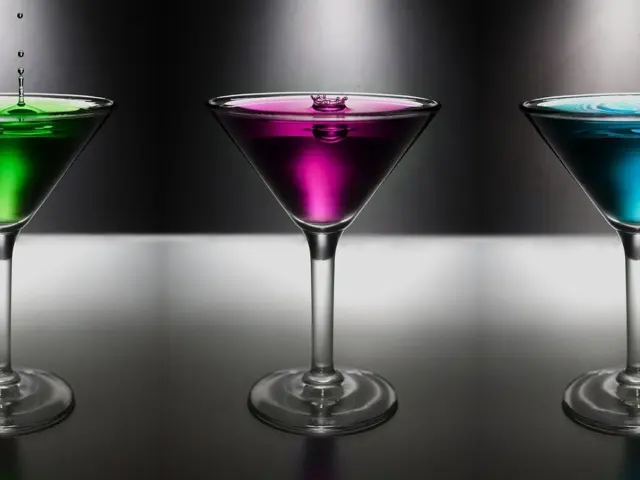
A blue vodka drink is clear vodka coloured blue by another ingredient, almost always blue curaçao. Bar School notes that blue cocktails all have one thing in common: blue curaçao. Whether the base is vodka, rum or tequila, the liqueur supplies the colour.
That makes “blue vodka” a way of building a drink rather than a bottle to hunt for. Punch describes how blue curaçao can transform a dull brown drink into a vibrant azure one. The same logic works on a pale, clear spirit, where the colour shows up even more cleanly.
The practical consequence is that the liqueur controls two things at once: how blue the drink looks and how sweet and orangey it tastes. The next section explains why that matters for your measurements.
How blue curaçao shapes colour, flavour and sweetness
Where the colour and flavour come from
Drinklab describes blue curaçao as an orange liqueur, plain and simple. Its base is usually the dried peels of Laraha citrus fruit grown on Curaçao, and the flavour is sweet citrus with a bitter undertone. The blue itself is just for show. It adds no flavour, so what you taste is the orange liqueur underneath.
The same guide advises treating blue curaçao as a concentrated flavour, not just a dye. That changes how you build a drink. If you measure it as casually as you would a food colouring, you will end up with a drink that is too orangey and too sweet.
Sweetness and strength
Blue curaçao is sweet, and Drinklab recommends reducing other sweet ingredients, such as simple syrup, or the drink will turn cloying. In practice, check every other sweet component before you add liqueur: syrup, sweetened juice and, in a long drink, the mixer.
Strength also varies from bottle to bottle, so read the label before assuming a blue drink is light. If you want to understand how strength is stated on a bottle, see What “Proof” Means For Vodka: A Clear Guide To Strength, Labeling, and Safety (2026) – Welovewodka.
Making a blue cocktail without dye
A drink will not turn blue on its own without a blue ingredient, so the real choice is between keeping the flavour and keeping the colour. The supplied options sort into three routes, each with a trade-off.
- Triple sec for flavour only. Drinklab calls triple sec, a clear orange liqueur that is usually drier, the closest taste match to blue curaçao. Choose it when the colour is not the point. Because the blue adds no flavour, the drink tastes close to the blue version, only drier.
- Orange syrup plus a small amount of food colouring. Drinklab offers this as a way to get the blue when you have no liqueur. The cost is that you lose the alcohol and some of the citrus depth, so it suits drinks where you want the look more than the liqueur’s character.
- Triple sec plus a drop or two of food dye. Advanced Mixology suggests this for the Aqua Pearl to reach the desired hue. It keeps the drier liqueur flavour and adds colour in a controlled way.
If your rule is strictly no dye, accept a clear or pale drink built on triple sec and let the garnish carry the colour. Every route to blue in the supplied evidence depends on blue curaçao or added colouring. Do not expect a pale drink to turn blue by itself.
Building a blue vodka drink in stages
Whatever recipe you pick, the order of decisions is the same, and following it prevents most of the problems above.
- Pick a clear spirit. Drinklab says blue curaçao works best with gin, vodka, white rum or tequila, which keeps the colour clean and lets the liqueur lead the flavour.
- Measure the liqueur like a flavour. Decide how orange you want the drink before you pour, not after the colour looks right.
- Choose the body. Lemonade gives a long, bright drink, lime gives a sour, and pineapple with coconut gives a tropical one. Check the sweetness of whatever you pick against the liqueur.
- Chill and serve. Shake or stir with ice as the recipe requires and pour into a glass that suits the format.
Blue vodka drink recipes and ratios
A good blue vodka drink is the Blue Lagoon, because it is the simplest build: vodka, blue curaçao and lemonade. The table sets it beside two other blue classics so you can see how the base spirit changes the drink.
| Drink | Base spirit | Blue curaçao | Other ingredients | Planning use |
|---|---|---|---|---|
| Blue Lagoon | 1 oz vodka | 1 oz | 4 oz lemonade | Easiest long drink; the lemonade does most of the work |
| Blue Hawaii | 1 1/2 oz rum | 3/4 oz | 2 oz pineapple juice, 3/4 oz cream of coconut | Tropical and creamy; the original used vodka |
| Electric Blue Margarita | 2 oz tequila | 1 oz | 1 oz lime juice, 1 oz simple syrup | Sour style; taste before adding all the syrup |
Ounce measures come from Advanced Mixology for the Blue Lagoon and Blue Hawaii, and from Nestor Liquor for the margarita.
Blue Lagoon
This is the answer when someone asks for a vodka drink that looks blue and tastes easy. Bar School gives the metric version as 30 ml blue curaçao, 30 ml vodka and 120 ml lemonade. Lemonade is the largest component, so its sweetness decides whether the drink works. If your lemonade is sweet, the earlier advice about cutting other sweeteners applies to it too.
Blue Hawaii
The Blue Hawaii was created by Harry Yee at the Hawaiian Village Hotel, and Punch describes it as originally vodka-based. The measures in the table use rum, and Bar School’s metric version uses white rum too, alongside blue curaçao, pineapple juice and coconut cream. Published versions differ noticeably in how much coconut and liqueur they use, so pick one and keep it consistent before adjusting. Since blue curaçao pairs with vodka as well as white rum, a vodka version is a fair nod to the original.
Electric Blue Margarita
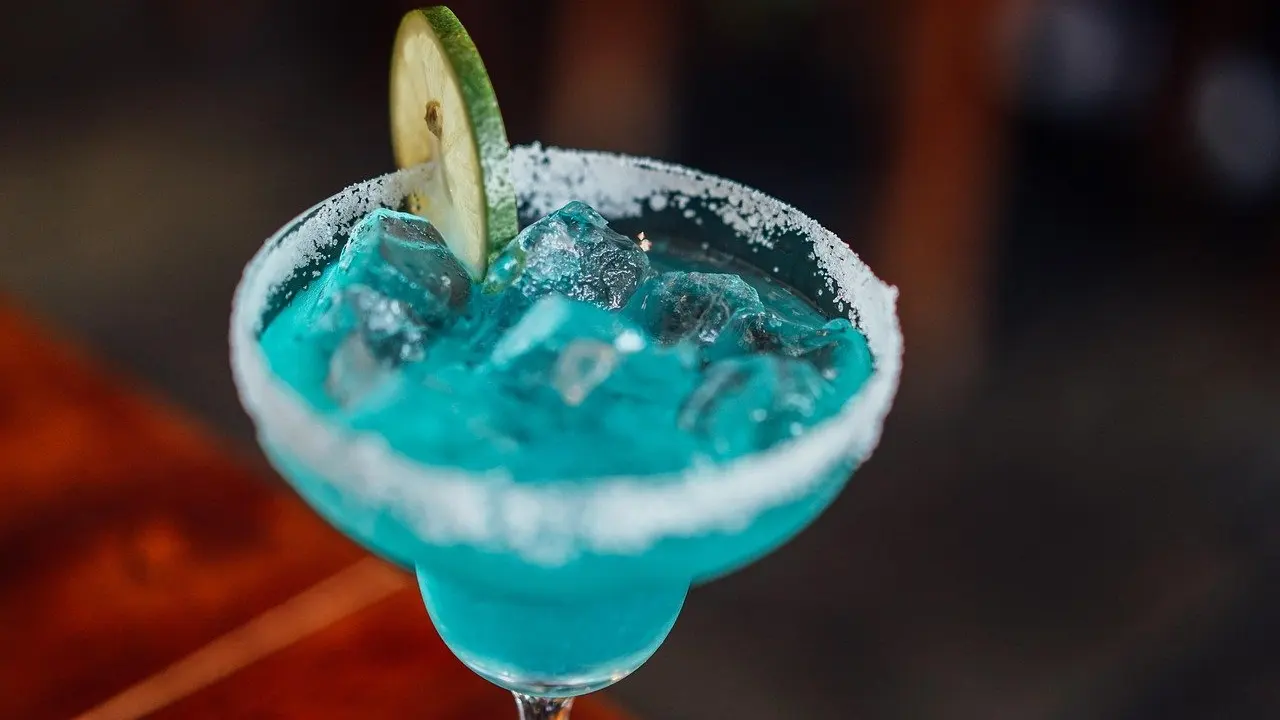
This is a tequila recipe, not a vodka one, but it shows how blue curaçao behaves in a sour. Nestor Liquor lists blue curaçao or Hpnotiq blue liqueur as the blue element. Here the simple syrup matches the liqueur in volume, which is exactly the situation where the earlier sweetness warning applies. Add the syrup gradually and stop when the lime still reads clearly.
Serving blue drinks
Serve shaken, spirit-forward blue drinks in a chilled glass without ice. Advanced Mixology’s Blue Train, for example, is shaken with ice and strained into a chilled cocktail glass, and a coupe is a natural choice for that format. Its wide surface shows off the colour, and the stem keeps your hand from warming the drink.
Long drinks such as the Blue Lagoon suit a taller glass with ice. Because blue curaçao is an orange liqueur, a citrus wheel or peel as garnish echoes the flavour and gives the blue a warm contrast. Keep rims and extras light so the colour stays the focus.
Frequently asked questions
Which spirits work with blue curaçao?
Drinklab says blue curaçao works best with clear spirits: gin, vodka, white rum and tequila. The recipes above use vodka, rum and tequila.
How much alcohol does blue curaçao contain?
It differs by brand. Bar School says the volume can vary from 15-40%, so check the label on your bottle before treating a blue drink as light.
Do blue cocktails all taste sweet and tropical?
No. Punch notes that the world of blue drinks runs from dry and aperitivo-friendly to fruit-forward and tropical. The colour does not dictate the style. The other ingredients do.